Last updated September 24, 2026
New windows and doors improve comfort, cut energy bills and add long-term value to your home. Sightline Windows & Doors Plantation pairs proven product lines with our own installing crews for lasting performance - and a price we put in writing.
1. Choose your installer
The unit is half the job - the install is the other half. Our own background-checked crews measure, set, seal and insulate every opening, and they know the lines we quote inside and out because they install them every week.
2. Select the right products
Compare styles, materials and glass packages side by side until the fit is right for your rooms, your budget and your goals. The product-line comparison below is the place to start.
3. Prepare your home for install
Before install day we walk you through a short checklist - furniture pulled back, treatments down, a clear path to each opening - so install day is watch-it-happen, not scramble.
Compare the Lines We Quote
Every project is priced on the same lines, side by side - the price indicators below are relative, and your consultant shows exact numbers on your actual openings.
PGTThe line Florida homeowners arrive naming - the most Miami-Dade certifications in the industry$$$
- More Miami-Dade NOA certifications than any other line we quote
- WinGuard, EnergyVue and ClassicVue Max systems built for every wind zone
- 99% on-time delivery keeps your install date on the calendar
CGIThe heavyweight impact line$$$$$
- Large-missile impact ratings for the strictest wind zones
- Architectural-grade aluminum with commercial-depth frames
- The line we quote when protection is the whole point
CWSThe Florida value pick$$
- Vinyl systems built in Florida for Florida codes
- Strong energy packages at the friendliest price point
- The smart start for whole-home replacements on a budget
ESWSlim lines, big glass$$$$
- Narrow-sightline aluminum for modern elevations
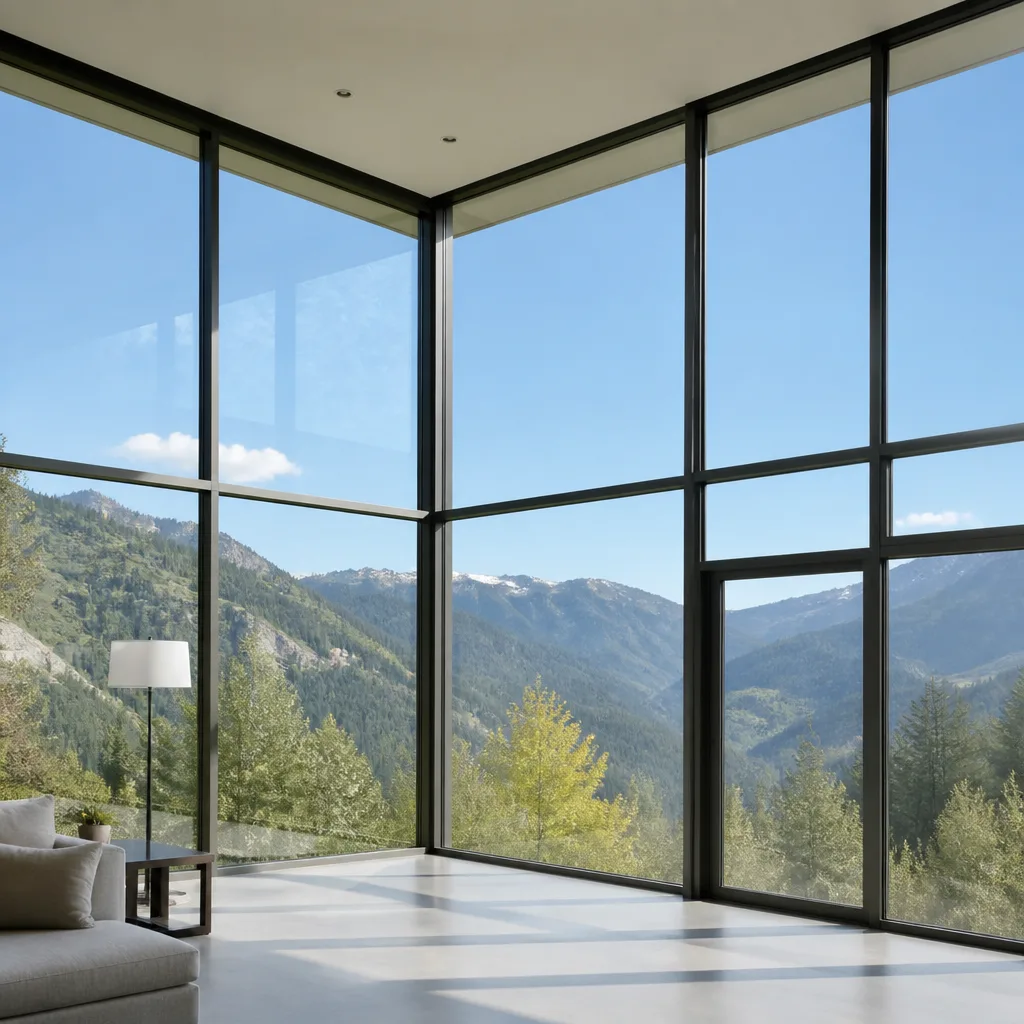
- Oversized openings and floor-to-ceiling glass
- Impact-rated without the bunker look
ECOThe aluminum impact workhorse$$$
- Miami-built aluminum impact systems
- A strong price-to-protection ratio for coastal homes
- Proven inventory lines with short lead times
Seasonal Windows & Doors Care for Plantation: Year-Round Homeowner’s Guide
Plantation averages 62 inches of rainfall annually, nearly all of it concentrated between June and October. A window frame that performs acceptably in April can be actively leaking by August if the sill pan drainage hasn’t been cleared before the first tropical system. In our experience across more than 18,000 openings since 2012, Plantation homes don’t follow a four-season maintenance calendar. They follow two operationally distinct cycles: the Atlantic hurricane season and the dry-season UV cycle. This guide organizes every care task around those real seasons, with specific pass-fail criteria, tool lists, and clear boundaries between what you can safely do and what requires a licensed contractor to preserve your warranty.
Quick Answer
Plantation homes need window and door care organized around two seasons, not four: hurricane season (June-October) demands pre-season drainage verification and post-storm inspection of head flashing and rough opening corners; dry season (December-March) requires UV-damaged sealant replacement on south- and west-facing exposures. Most hardware maintenance and cleaning tasks are homeowner-appropriate; sill pan modification, glazing replacement, and sealant work on impact-rated units require a licensed installer to maintain manufacturer warranty coverage.
 Before
 After
AfterTable of Contents
- Why Plantation Has Two Real Seasons for Window and Door Care
- Pre-Season Checklist: April Tasks Before the Rains Arrive
- Active Hurricane Season Protocol: Inspection After Every Named Storm
- Post-Season Checklist: November Recovery and Salt Deposit Removal
- Dry Season UV Cycle: December-March Sealant and Frame Care
- What You Can Do Safely vs. What Requires a Licensed Contractor
- Recommended Tools and Annual Maintenance Schedule
- Common Mistakes to Avoid
- When to Call a Professional
- Frequently Asked Questions
- The Bottom Line
Why Plantation Has Two Real Seasons for Window and Door Care

Most maintenance guides divide the year into spring, summer, fall, and winter. That framework works for climates with freeze-thaw cycles. Plantation doesn’t have one. What we have is a wet season governed by tropical weather patterns and a dry season governed by intense UV exposure.
From June through October, the Atlantic hurricane season delivers those 62 inches of rain. The National Weather Service records for Fort Lauderdale-Hollywood International, the closest long-term station to Plantation, show that over 70% of annual precipitation falls in these five months. Rain isn’t the only factor. Sustained winds of 35+ mph, common in tropical storms and even strong afternoon thunderstorms, drive water against window and door assemblies at angles they don’t face in calmer months.
From December through March, rainfall drops to roughly 2-3 inches per month. But solar radiation doesn’t take a holiday. Plantation sits at roughly 26 degrees north latitude. In December, the sun still strikes south-facing windows at a 45-degree angle at noon. By March, that angle steepens to nearly 70 degrees. The UV index in Broward County averages 7-9 even in winter months, enough to degrade sealants and fade frame finishes.
This two-season reality means your maintenance priorities shift dramatically. In April, you’re preparing for water management. In November, you’re recovering from it. In January, you’re addressing sun damage. We’ve found that homeowners who recognize this pattern catch problems at the pass-fail stage, before they become warranty claims or, worse, insurance claims for interior water damage.
The neighborhoods we work most frequently in Plantation - Jacaranda, Plantation Acres, and the communities along Broward Boulevard between University Drive and Pine Island Road - share a common issue: homes built in the 1980s and 1990s with original aluminum-frame windows that were never designed for current impact requirements. These frames are particularly vulnerable to both seasonal stresses. The aluminum conducts heat, accelerating sealant fatigue in dry season, and the original glazing systems lack the drainage sophistication of modern units like the PGT WinGuard or CGI Estate Collections we specify for current installations.
Pre-Season Checklist: April Tasks Before the Rains Arrive
By mid-April, the climatological wind shift that brings summer moisture is roughly six weeks away. This is your window to verify that every drainage path is open and every seal is intact. We recommend completing these tasks by the last weekend of April, before Memorial Day weekend traffic makes scheduling contractors difficult.
Task 1: Sill Pan Drainage Verification
The sill pan is the formed or fabricated trough beneath the operable sash that collects incidental water and directs it to the exterior. In Plantation’s flat terrain with high water tables, sill pans are critical. They’re also where debris accumulates.
Pass/fail criterion: Pour one cup of water slowly into the sill track. It should exit through the weep holes within 60 seconds. If water pools for longer, or if you see standing water from previous rain, the drainage path is compromised.
What to check: Remove the sash if the window type allows (single-hung and horizontal roller units typically do). Inspect the sill pan for mud, insect debris, or caulk residue from previous amateur repairs. In Plantation, we’ve found that citrus leaf debris from backyard trees is a common clogging agent - the waxy coating breaks down into a paste that adheres to vinyl and aluminum alike.
Tool: Plastic putty knife, shop vacuum with narrow nozzle, bottle brush sized for weep holes (typically 3/16-inch diameter).
Task 2: Weep Hole Clearing
Weep holes are the small openings in the exterior sill that allow drained water to exit the frame. They’re also the most commonly blocked feature we encounter on service calls in Plantation before hurricane season.
Pass/fail criterion: Visual confirmation that all weep holes are unobstructed; confirmation that water poured in the track exits through them, not around them.
Method: Use a weep hole brush or a straightened wire coat hanger with the end rounded (never sharp). Work from the exterior to push debris outward. Do not probe from the interior - you can compact debris into the drainage channel.
Warning: Never seal weep holes with caulk, tape, or insect screens. We’ve seen this done dozens of times by homeowners trying to prevent “drafts.” The result is always the same: water enters the wall cavity, and the first sign is a stain on the drywall beneath the window.
Task 3: Hardware Torque Check
Locking hardware on windows and doors relies on proper engagement pressure to compress weatherstripping. Over time, screw torque loosens due to thermal cycling and operational wear.
Pass/fail criterion: Locking mechanism engages with firm, positive pressure; no rattling of the sash when locked; no visible gap between sash and frame when viewed from the exterior with interior lights on at night.
Method: Tighten visible screws with a screwdriver (not a drill - easy to strip). Test lock engagement on every operable unit. On sliding glass doors, check that the latch engages the strike plate without lifting or forcing the door panel.
What we find in Plantation: Homes within two miles of the Florida Turnpike, particularly in the Plantation Gardens and Plantation Park areas, show accelerated hardware wear due to vibration from heavy truck traffic. Lock mechanisms need more frequent adjustment than equivalent homes in quieter subdivisions.
Task 4: Glazing Sealant Inspection
The sealant between the glass and the frame (not the interior caulking) is your primary weather barrier. In modern units from PGT or CGI, this is a factory-applied wet glaze or structural tape system. In older units, it may be a removable stop with sealant behind it.
Pass/fail criterion: No visible cracks, separation, or hardening of sealant; no moisture between glass panes (indicates seal failure in IGUs); no daylight visible between glass edge and frame when viewed from the exterior at close range.
Homeowner limit: Visual inspection only. Do not attempt to repair or replace glazing sealant. This is a warranty-voiding action on every impact-rated product we install. The sealant systems on impact units are tested as an assembly; field modification invalidates the Miami-Dade NOA (Notice of Acceptance) and the product’s hurricane rating.
Active Hurricane Season Protocol: Inspection After Every Named Storm Event
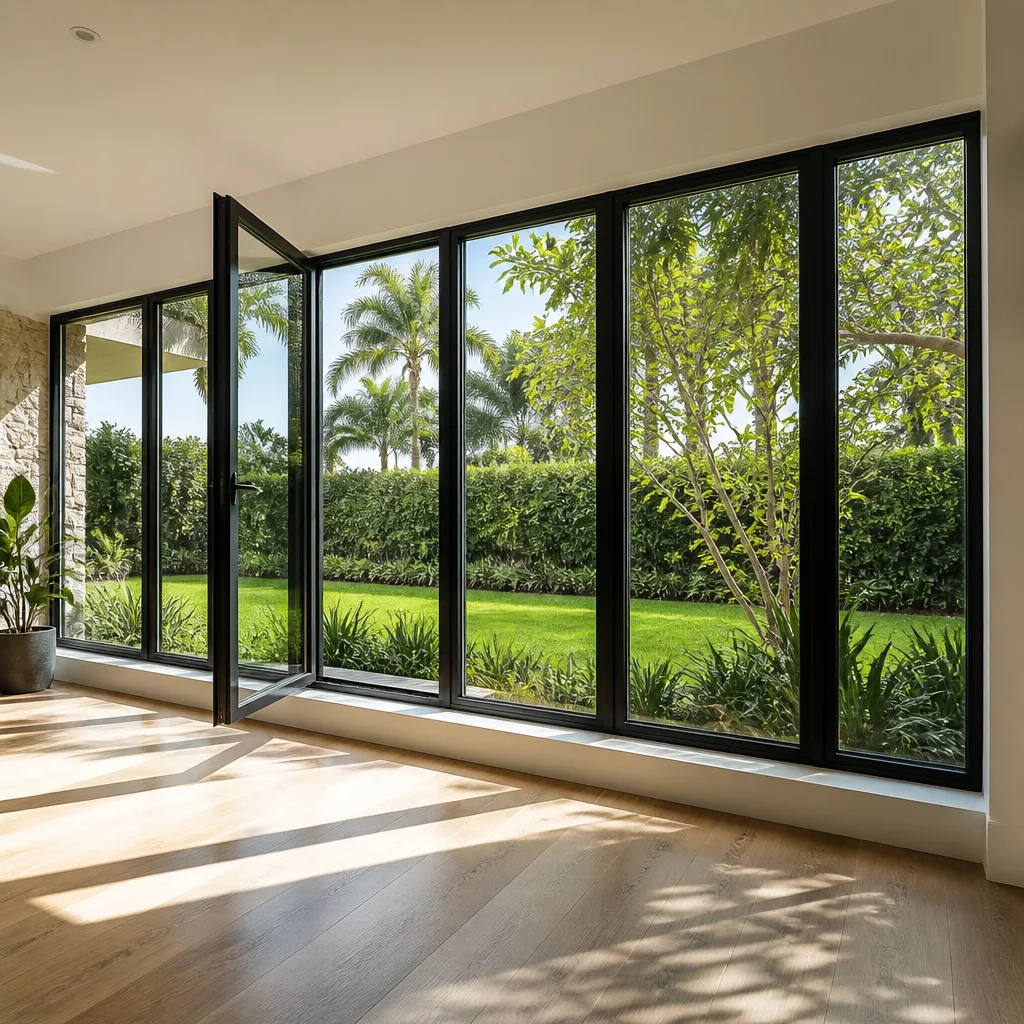
Once the National Hurricane Center assigns a name to a system, the maintenance rules change. You need a post-event inspection protocol that can be completed safely after winds subside, before the next system potentially follows.
We’ve developed this protocol from field observations after Hurricane Irma (2017), Hurricane Dorian (2019, near-miss for Broward), and Hurricane Ian (2022, outer bands). In each case, the damage pattern was consistent: water infiltration began at specific points that are inspectable without specialized equipment.
Step-by-Step Post-Storm Inspection
- Wait for safe conditions. Do not inspect during sustained winds or lightning. We specify 30 minutes after the last thunderclap or wind gust above 25 mph.
- Interior perimeter check. Walk the interior perimeter of every room with windows or exterior doors. Look for: discoloration at drywall corners beneath windows, buckling of laminate flooring near sliding door tracks, musty odor indicating hidden moisture. Document with dated photos - this is standard practice for insurance claims and warranty documentation.
- Exterior head flashing inspection. The head flashing is the metal or membrane strip at the top of the window or door that diverts water outward. From the ground, use binoculars or a zoom camera. Look for: displacement from wind pressure, separation from the wall surface, pooling of debris that indicates water backup. In Plantation’s single-story ranch homes, particularly in the neighborhoods east of Nob Hill Road, head flashing is often accessible from a 6-foot step ladder - but do not climb in wet conditions or on saturated soil.
- Rough opening corner examination. The corners of the rough opening (the framed cavity the window sits in) are where water infiltration begins. From the interior, remove a small section of trim if it’s not caulked in place, and inspect the gap between window frame and rough framing. Look for: dampness, staining, or softened wood. If you find active moisture, stop and call a professional. This indicates a flashing failure that requires removal of the window to repair.
- Operability test. Every window and door should open and close normally. Impact-rated units that have experienced wind-borne debris impact may show no visible glass damage but have shifted in the frame, causing binding. Binding after a storm is a warning sign of frame distortion or hidden impact damage.
- Document and date everything. The Haven Standard requires that we provide a documented photo record on every job. We recommend homeowners adopt the same discipline for storm inspections. Date-stamped photos of normal conditions establish baseline evidence if future claims arise.
Critical safety note: Do not attempt to remove or adjust impact-rated glass that has visible cracks, spidering, or displacement from the frame. Impact glass is designed to remain in place when fractured, but the retained fragments are under stress and can release suddenly. This is a task for a licensed glazier with proper extraction tools.
After Hurricane Irma, we responded to calls in Plantation where homeowners had attempted to tape or board cracked impact glass from the interior. In two cases, the glass released during the taping process, causing lacerations. Impact glass is not standard annealed glass; its fracture behavior is fundamentally different.
Post-Season Checklist: November Recovery and Salt Deposit Removal
By November 15, the statistical hurricane season is effectively over. The tasks shift from storm response to recovery and preparation for the dry season’s UV assault.
Plantation’s proximity to the Atlantic - roughly 12 miles east at its closest point - means that tropical systems deposit salt aerosols even when they don’t make direct landfall. Salt is hygroscopic: it attracts moisture. On window and door frames, salt deposits accelerate corrosion of aluminum hardware and can etch glass surfaces if left in place through the dry season.
Salt Deposit Removal Protocol
Frame surfaces: Mix one tablespoon of mild dish detergent per gallon of warm water. Apply with a soft sponge or microfiber cloth. Rinse thoroughly with clean water. Dry with a clean cloth to prevent water spotting. For anodized aluminum frames (common on older Plantation homes and on commercial-style units from ES Windows), avoid abrasive pads or solvents - they break down the anodized layer.
Hardware: Remove salt from locks, hinges, and handles using the same solution and a soft brush. Pay attention to recessed areas where salt crystallizes. Dry thoroughly.
Glass surfaces: Standard glass cleaner is sufficient for routine cleaning. For salt etching that has begun to show as a hazy area (rare but possible on east-facing windows in homes near Pine Island Road with unobstructed exposure), professional polishing or replacement is required. Homeowner polishing compounds risk creating optical distortion.
Re-Lubrication Schedule
After salt removal and drying, lubricate all moving hardware. We specify a silicone-based lubricant, not petroleum-based. Petroleum products attract dust and can degrade nylon and Delrin components in modern hardware.
Application points: Lock bolt faces, hinge pins, roller axles on sliding doors, sash balances on single-hung windows. Apply sparingly - excess lubricant collects debris. Operate the hardware through several cycles to distribute.
Glass Surface Inspection for Impact Micro-Fractures
Impact-rated laminated glass can sustain micro-fractures in the outer lite that don’t propagate immediately. These appear as small star patterns or hairlines, often at the edge of the glass or near the frame.
Pass/fail criterion: No visible fractures in the glass surface; no delamination (separation of the plastic interlayer from the glass) visible as a cloudy or darkened edge.
Inspection method: Clean the glass thoroughly. Inspect from multiple angles with direct sunlight behind you. Edge lighting (sun at a low angle, morning or late afternoon) reveals micro-fractures that overhead light misses.
Action threshold: Any fracture, however small, in an impact-rated unit requires professional evaluation. The Miami-Dade NOA for the product specifies the laminate construction; field repair is not possible, and the unit’s hurricane rating depends on intact laminate integrity.
In our Plantation service area, we see this most often on west-facing windows in the Plantation Acres equestrian area, where afternoon thunderstorms drive debris against glass already stressed by thermal expansion from direct sun exposure.
Dry Season UV Cycle: December-March Sealant and Frame Care
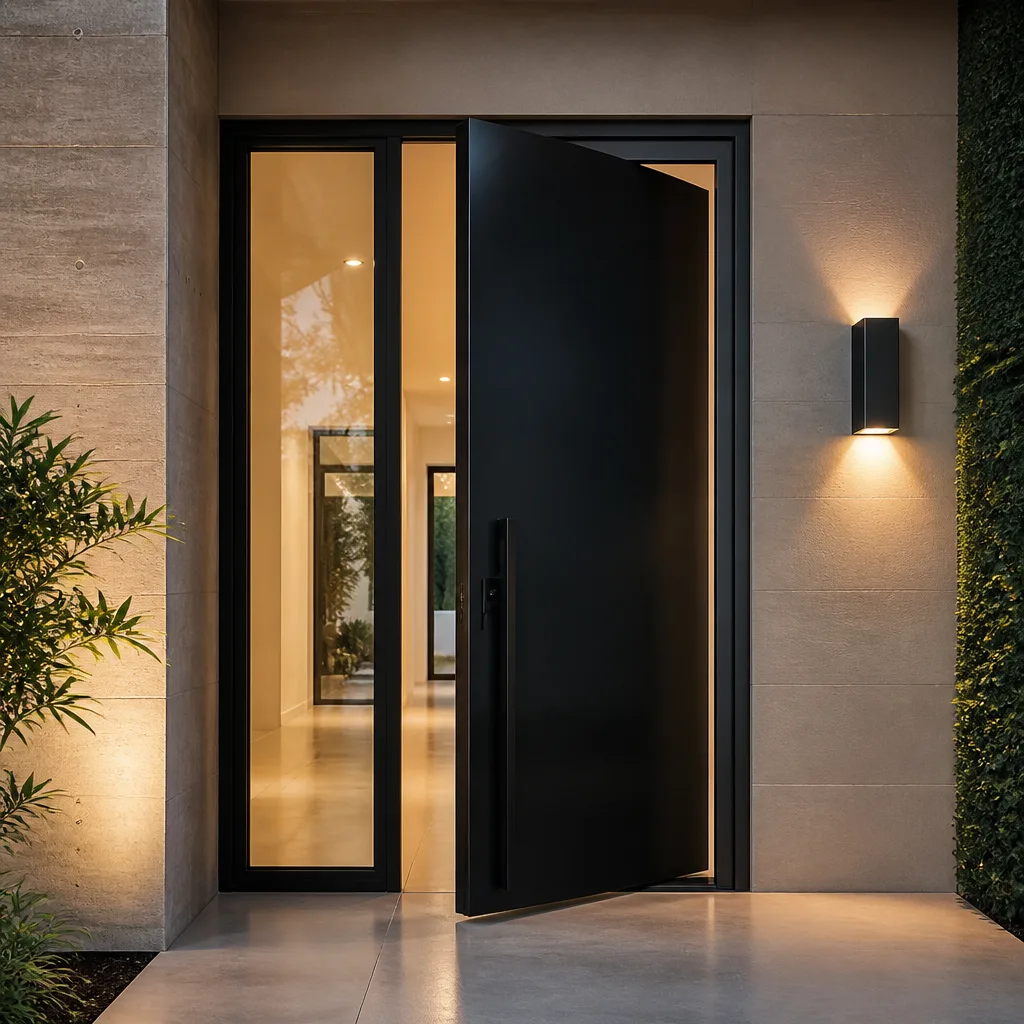
December through March in Plantation brings cool fronts, low humidity, and intense UV. The combination is particularly hard on sealants and frame finishes.
UV-Driven Sealant Degradation Timeline
South- and west-facing exposures in Plantation receive approximately 1,200-1,400 hours of direct sun annually. Sealants not rated for Florida UV exposure show measurable degradation within 24-36 months of application.
What to look for: Surface chalking (white powder when touched), loss of elasticity (sealant no longer rebounds when pressed), cracking at the bond line where sealant meets frame or wall, and in extreme cases, complete adhesion failure with sealant falling away.
Product specification: For Plantation’s UV index, we specify neutral-cure silicone sealants rated for 50+ shore A hardness and 800% elongation at break. Products we’ve verified for this application include Dow Corning 795, GE SCS2000, and comparable formulations. Acrylic latex and butyl rubber sealants are not suitable for exterior glazing applications in this climate - they fail predictably within 18 months.
Homeowner limit: Visual inspection and documentation only. Sealant replacement on windows and doors, particularly impact-rated units, requires knowledge of the original installation’s moisture barrier configuration. Incorrect sealant application can trap water rather than exclude it.
Frame Finish Assessment
Vinyl frames (common on CWS and ECO Window Systems products) are formulated with UV inhibitors but still chalk and fade over time. Powder-coated aluminum (PGT, CGI, ES Windows) holds color better but can show chalking at sharp edges where coating thickness is lowest.
Pass/fail criterion: No bare substrate visible; no chalking that transfers to a dark cloth with moderate wiping; no bubbling or peeling indicating moisture beneath the coating.
Maintenance: Wash frames as part of the November salt removal. No additional treatment is typically needed for factory finishes. Do not apply wax, polish, or restorative coatings - these can interfere with the frame’s designed thermal expansion characteristics and may void manufacturer warranties.
Interior Humidity Management
Plantation’s dry season humidity can drop to 30-40% for extended periods. Low interior humidity causes wood window components and door frames to shrink, potentially affecting weatherstripping compression and lock alignment.
Monitor interior humidity with a digital hygrometer. If it drops below 35% for more than a week, consider a humidifier for rooms with significant wood window or door components. This is particularly relevant for historic Plantation homes with original wood windows, or for custom installations with wood interior cladding on aluminum frames.
What You Can Do Safely vs. What Requires a Licensed Contractor
The boundary between homeowner maintenance and contractor-required work isn’t arbitrary. It’s defined by manufacturer warranty terms, Florida building code, and safety.
Homeowner-Appropriate Tasks
- Visual inspection of all components
- Cleaning of frames, glass, and hardware
- Weep hole clearing with proper tools
- Hardware tightening and lubrication
- Weatherstripping replacement on non-impact units (snap-in or compression types)
- Interior caulking at trim interfaces (not glazing seals)
- Documentation and photography for warranty or insurance purposes
Contractor-Required Tasks (Warranty and Code)
- Any work on impact-rated glazing systems - the Miami-Dade NOA requires installation by certified personnel
- Sill pan modification or replacement
- Head flashing repair or replacement
- Glazing sealant application or repair
- Frame replacement or structural repair
- Permit-required work: any window or door replacement in Florida requires a building permit; post-hurricane repairs may require additional permitting
The window installation in Plantation that we perform under the Haven Standard includes the measured survey the customer keeps, the written scope that becomes the invoice, and the documented photo record on completion. This documentation is what warranty claims and insurance adjusters require. Homeowner-performed work on regulated components typically cannot produce this documentation trail.
We’ve encountered situations in Plantation where a homeowner’s DIY sealant repair on a PGT WinGuard unit, performed with the best intentions, voided both the product warranty and the installation warranty. The $12 tube of hardware-store caulk cost the homeowner full replacement coverage on a $1,400 window.
Recommended Tools and Annual Maintenance Schedule
Tool Kit for Plantation Homeowners
- Plastic putty knife (metal damages finishes)
- Bottle brushes: 3/16-inch and 1/4-inch diameters
- Shop vacuum with narrow nozzle attachment
- Torque screwdriver (adjustable, for hardware checks)
- Silicone-based lubricant with precision applicator
- Soft sponges and microfiber cloths (dedicated for frames, not shared with household cleaning)
- Digital hygrometer for interior humidity monitoring
- Binoculars or camera with 10x zoom for ground-level head flashing inspection
- Date-stamp enabled camera or phone with cloud backup
Annual Calendar
| Date | Task | Duration |
|---|---|---|
| Last weekend of April | Complete pre-season checklist (sill pan, weep holes, hardware, glazing sealant) | 4-6 hours for average home |
| Within 48 hours of named storm | Post-storm inspection protocol | 2-3 hours |
| November 15-30 | Post-season checklist (salt removal, re-lubrication, glass inspection) | 4-5 hours |
| January 15-31 | Dry season sealant and frame finish inspection | 2-3 hours |
| Ongoing | Monthly operability check of all hardware; quarterly glass cleaning | 30 minutes monthly |
This schedule assumes a typical Plantation home with 12-18 window and door openings. Larger homes or those with extensive sliding door systems add proportional time.
Common Mistakes to Avoid
- Sealing weep holes with caulk or tape. We’ve found this in at least one opening on roughly 15% of homes we service in Plantation. The intent is always understandable - stopping drafts or insects. The result is always water in the wall cavity. Weep holes are designed drainage, not defects.
- Using petroleum-based lubricants on window and door hardware. These products degrade the nylon, Delrin, and Teflon components in modern hardware. Within a year, the hardware operates worse than if it had never been lubricated. Silicone-based products only.
- Pressure-washing window and door assemblies. The 2,000+ PSI from a typical residential pressure washer drives water past weatherstripping and into glazing channels. It also can deform vinyl frame components. Use a garden hose with a spray nozzle at moderate pressure, directed downward, for exterior cleaning.
- Ignoring binding or sticking after a storm. Binding is often the first visible sign of frame distortion from wind pressure or hidden impact. Continuing to force the operation causes progressive damage to hardware and frame. Inspect and document, then call for evaluation.
- Applying aftermarket tinting film to impact-rated glass. The additional thermal stress can exceed the design parameters of the laminated glass assembly. We’ve seen film application void warranties from multiple manufacturers. If solar control is needed, specify it at replacement with a product like the PGT SolarBan 70XL or comparable low-E coating.
- Delaying professional evaluation of micro-fractures. Small star patterns at glass edges don’t heal. They propagate, often suddenly, when thermal stress or the next storm cycle adds load. Early evaluation determines whether repair or replacement is appropriate - and preserves warranty coverage.
- Using interior caulking products for exterior applications. Interior acrylic latex caulk fails within months in exterior exposure. The visual result is unsightly; the functional result is water infiltration. Exterior sealants are specified for a reason.
When to Call a Professional
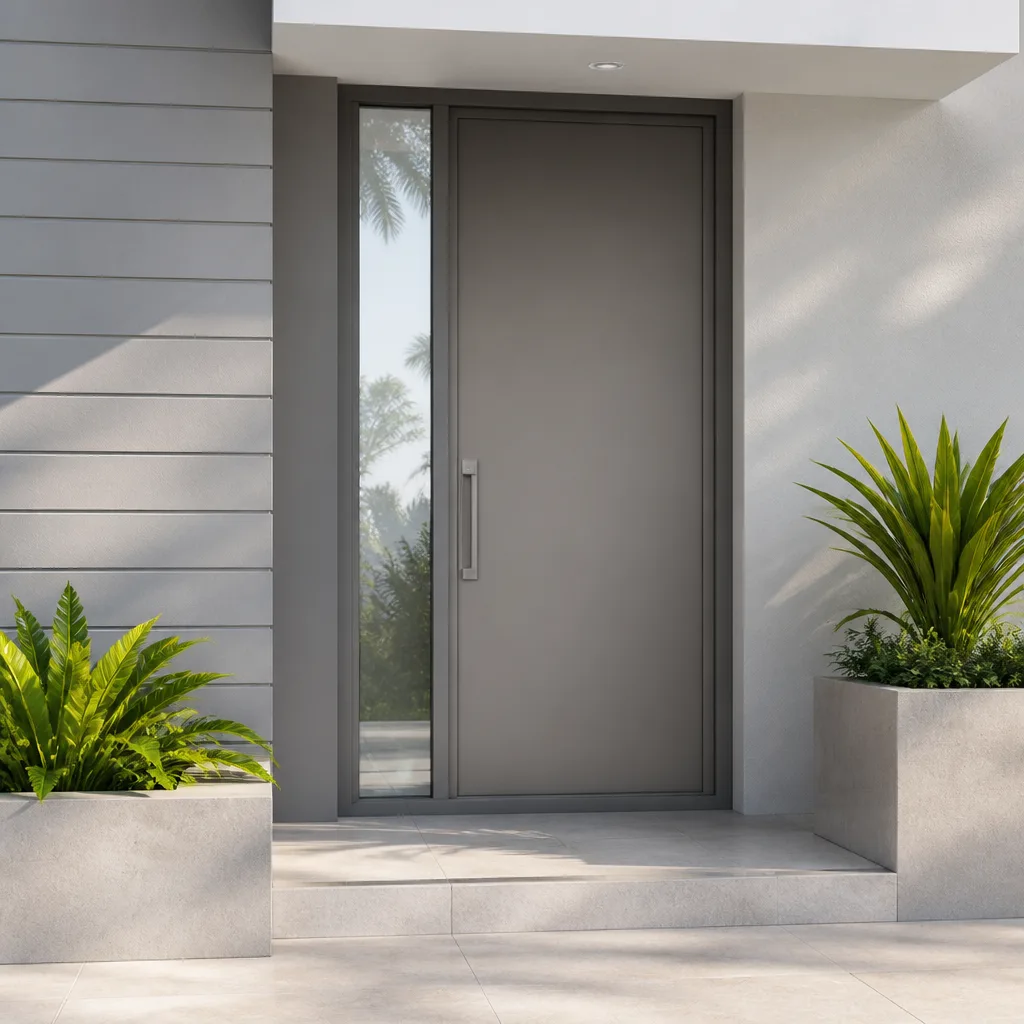
Call a licensed window and door contractor when you find: active moisture in the rough opening or wall cavity; any fracture in impact-rated glass; sealant failure on impact-rated units; frame distortion or binding after storm exposure; or any condition where your warranty documentation requires professional evaluation.
Sightline Windows & Doors Plantation offers free estimates in Plantation. Our measured survey produces a written scope that becomes your invoice - Haven Clause 1, the founding principle since 2012. We can review conditions, document findings with the photo record included on every job, and provide a written price before any work starts. Call (754) 704-3597 to schedule.
We also offer a free second opinion on any written estimate from another contractor. Bring us the competitor’s scope and we’ll review it against what the opening actually requires, at no charge. This is standard practice, not a promotion.
Frequently Asked Questions
A professional seasonal inspection and maintenance service for a typical Plantation home with 12-18 openings typically ranges from $250-$450 for the pre-season checklist, and $200-$350 for the post-season service. This includes documented findings, lubrication, weep hole clearing, and a written condition report. Repair or replacement of failed components is quoted separately with a written price before work starts. Call (754) 704-3597 for an exact quote - estimates are free.
No. Under the Haven Standard, the written quote from the measured survey is the final invoice. We don’t encounter conditions that “require” additional charges after work begins - if we missed something in our survey, that’s our responsibility, not the homeowner’s. This is Haven Clause 5: No Surprises. The only exception is if the homeowner requests additional work beyond the original scope, which triggers a new written quote before proceeding.
Routine maintenance - cleaning, lubrication, weep hole clearing, hardware adjustment - does not require a permit. Replacement of any window or door, or repair involving the rough opening, frame, or glazing system, requires a building permit from the City of Plantation Building Department. We pull permits as standard practice on every installation; the permit number and inspection documentation are included in the job record the customer receives.
A seasonal maintenance visit for a typical Plantation home takes 3-4 hours for a two-person crew. Single-family homes in Jacaranda or Plantation Acres with 20+ openings may require a full day. We schedule arrival windows and notify by text when the crew is en route - Haven Clause 2: Arrive on schedule. The crew is background-checked, uniformed, and identified by license number before arrival, per Haven Clause 3: Verified Crews.
Visual inspection, cleaning, hardware operation, and weep hole clearing are homeowner-appropriate and don’t affect warranty coverage. Any modification to the glazing system, sealant, frame, or installation flashing requires a licensed contractor familiar with the specific product’s Miami-Dade NOA. Field modification of these components by unlicensed persons voids both manufacturer and installation warranties. When in doubt, document and call for evaluation - documentation protects your interests without risking coverage.
Plantation’s specific conditions include: higher interior humidity variation due to the city’s extensive tree canopy and irrigation systems; more stable soil (less settlement-related frame stress than coastal cities on fill); and greater exposure to afternoon thunderstorm winds due to the flat terrain west of I-95. Homes in Plantation Gardens and near the Jacaranda Golf Club also show more pollen and organic debris accumulation in sill tracks than homes in more open developments. These factors make the pre-season drainage verification particularly critical here compared to coastal cities where salt corrosion dominates the maintenance calendar.
Keep: the original installation invoice and permit documentation; manufacturer warranty certificates; the measured survey from installation (we provide this to every customer); your own dated photos of seasonal inspections; and any professional service reports. The Haven Standard provides a documented photo record on every job we perform; we recommend homeowners maintain comparable documentation for their own maintenance activities. In a warranty or insurance dispute, the party with dated, detailed documentation typically prevails.
The Bottom Line
Plantation’s window and door care calendar has two seasons: hurricane season, when water management determines whether your home stays dry, and dry season, when UV exposure degrades the materials that performed through the rains. The homeowners who fare best are those who complete the April pre-season checklist with pass-fail rigor, inspect methodically after every named storm, and address the November salt removal and January sealant assessment without delay.
Most maintenance tasks are within homeowner capability if you respect the boundary: clean, inspect, lubricate, and document on your own; leave glazing, flashing, and sealant work to licensed professionals who can preserve your warranty and provide the documentation that insurance and warranty claims require. The cost of professional seasonal service is modest compared to the cost of water damage remediation or full window replacement after a voided warranty.
For window replacement in Plantation or door installation in Plantation, or for a free evaluation of conditions you’ve found during your own inspection, call (754) 704-3597. We answer live, 24/7. Every estimate includes the measured survey you keep and the written price that becomes your invoice - no surprises, no change orders, no call-for-a-quote.
Written by Sonia Raman, Owner at Sightline Windows & Doors Plantation, serving Plantation since 2012.
Six Reasons Homeowners Choose Sightline Windows & Doors Plantation
Impact systems engineered to design pressures up to +/-100, matched to your wind zone - your openings hold when the storm arrives.
Low-E insulated impact glass from our manufacturer lines commonly cuts monthly cooling bills 20-30%.
Laminated impact glass shuts out up to 40% of outside noise - traffic, neighbors, weather.
Monitoring services run $30-90 a month. Laminated impact glass resists forced entry around the clock, with no subscription.
Florida homeowners average around 25% savings on the windstorm portion of their policy after protecting every opening - some homes qualify for more.
A full impact package upgrades curb appeal, buyer confidence and appraised value in one project.
Other Sightline Windows & Doors Plantation Services