Last updated September 24, 2026
New windows and doors improve comfort, cut energy bills and add long-term value to your home. Sightline Windows & Doors Plantation pairs proven product lines with our own installing crews for lasting performance - and a price we put in writing.
1. Choose your installer
The unit is half the job - the install is the other half. Our own background-checked crews measure, set, seal and insulate every opening, and they know the lines we quote inside and out because they install them every week.
2. Select the right products
Compare styles, materials and glass packages side by side until the fit is right for your rooms, your budget and your goals. The product-line comparison below is the place to start.
3. Prepare your home for install
Before install day we walk you through a short checklist - furniture pulled back, treatments down, a clear path to each opening - so install day is watch-it-happen, not scramble.
Compare the Lines We Quote
Every project is priced on the same lines, side by side - the price indicators below are relative, and your consultant shows exact numbers on your actual openings.
PGTThe line Florida homeowners arrive naming - the most Miami-Dade certifications in the industry$$$
- More Miami-Dade NOA certifications than any other line we quote
- WinGuard, EnergyVue and ClassicVue Max systems built for every wind zone
- 99% on-time delivery keeps your install date on the calendar
CGIThe heavyweight impact line$$$$$
- Large-missile impact ratings for the strictest wind zones
- Architectural-grade aluminum with commercial-depth frames
- The line we quote when protection is the whole point
CWSThe Florida value pick$$
- Vinyl systems built in Florida for Florida codes
- Strong energy packages at the friendliest price point
- The smart start for whole-home replacements on a budget
ESWSlim lines, big glass$$$$
- Narrow-sightline aluminum for modern elevations
- Oversized openings and floor-to-ceiling glass
- Impact-rated without the bunker look
ECOThe aluminum impact workhorse$$$
- Miami-built aluminum impact systems
- A strong price-to-protection ratio for coastal homes
- Proven inventory lines with short lead times
DIY vs Professional Windows & Doors: The Plantation Homeowner’s Decision Guide
Florida Statute 489.103 allows Plantation homeowners to pull their own permits as owner-builders, but here’s what most guides won’t tell you: a Broward County building official can require you to demonstrate that your installation meets the Notice of Acceptance’s prescriptive fastener pattern - a standard most unlicensed installers, including many handymen, cannot document. In Plantation’s High Velocity Hurricane Zone, this isn’t a bureaucratic hurdle. It’s the difference between a window that holds and one that becomes a missile entry point. This guide names the legal line precisely, calculates real dollar comparisons, and identifies the narrow set of tasks where your own labor is both legal and advisable - or see our How to Hire a Windows & Doors Contractor in Plantation: A Step-by-Step Guide for help choosing the right professional.
Quick Answer
Most window and door work in Plantation legally requires a licensed contractor due to HVHZ fastener and flashing requirements that trigger professional-level inspection. Homeowners can legally handle hardware replacement, weatherstripping, interior trim, and sealant touch-up - typically saving $75-$200 per task - but full-frame replacement of impact-rated units should be contracted to a licensed installer who can document NOA compliance. The financial break-even point favors professional installation once you factor in permit risk, inspection failure rates, and insurance implications.
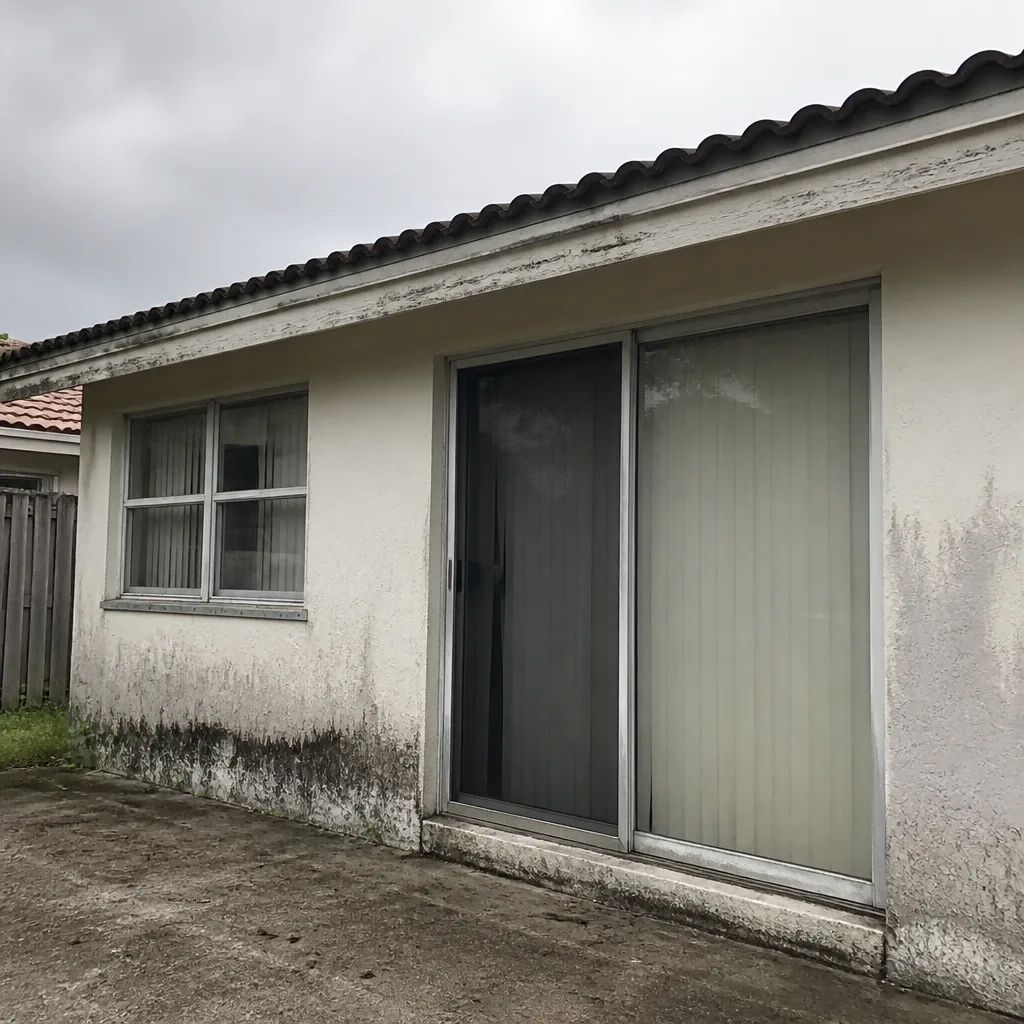 Before
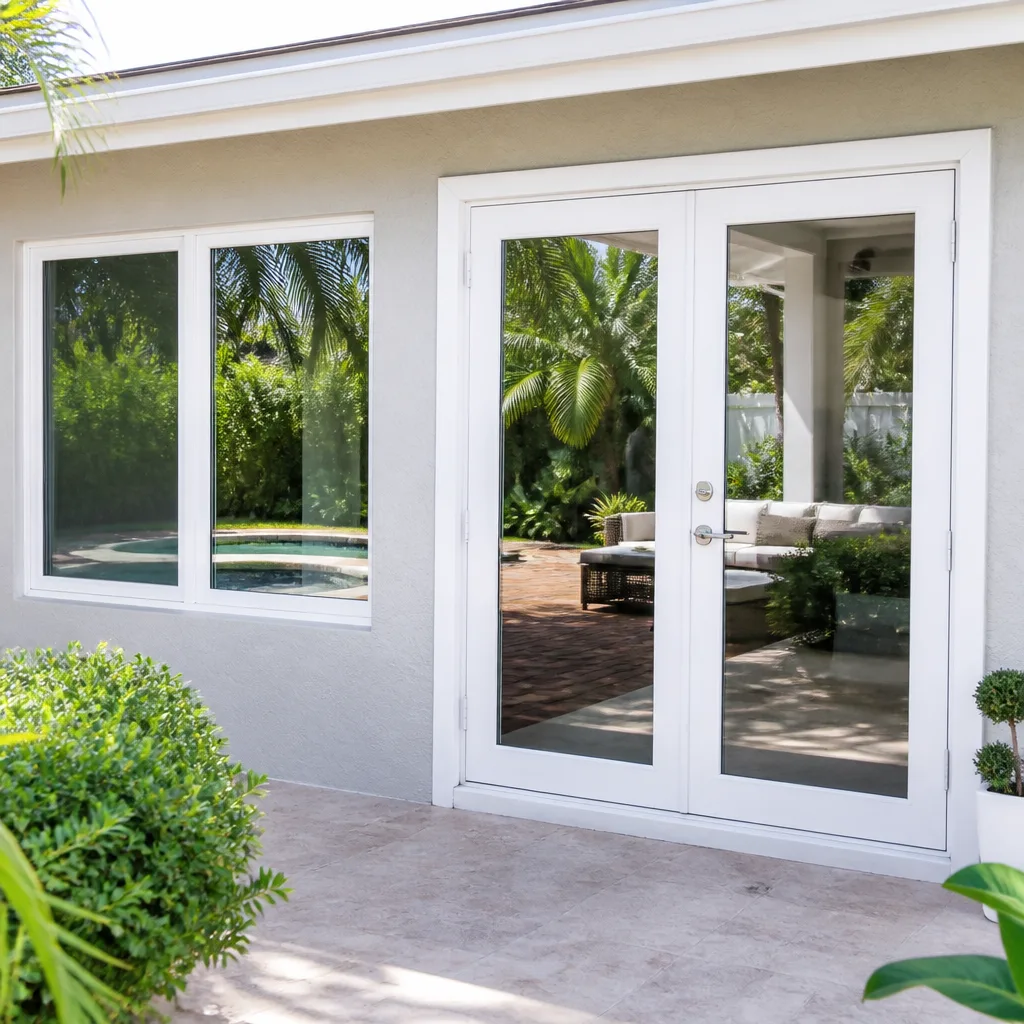 After
AfterTable of Contents
- What Florida Law Actually Allows Homeowners to Do
- Why HVHZ Requirements Create a Higher Technical Bar
- The Narrow Band of Truly DIY-Friendly Tasks
- Real Cost Comparison: Four-Window Replacement
- Insurance and Warranty Implications of Owner-Installed Impact Windows
- What Actually Happens at Broward County Inspection
- Manufacturer Warranty Requirements You Need to Know
- Common Mistakes to Avoid
- When to Call a Professional
- Frequently Asked Questions
What Florida Law Actually Allows Homeowners to Do
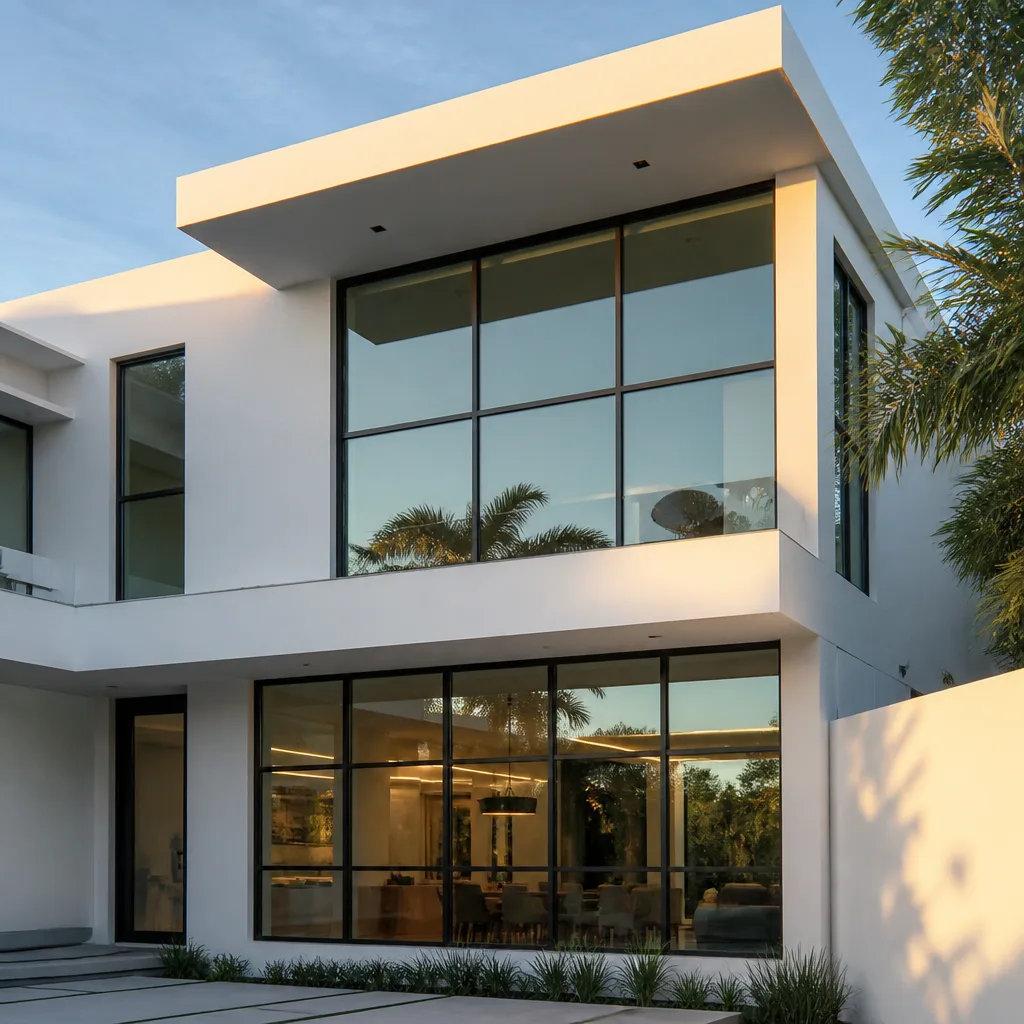
Florida Statute 489.103(7) creates the owner-builder exemption. It permits a homeowner to act as their own contractor for construction, repair, or improvement of a single-family residence, provided the home is for their own use and not offered for sale within one year. This is the legal foundation every DIY window guide references. Few go further.
Broward County adds a specific layer. When a Plantation homeowner pulls an owner-builder permit for window or door replacement, the county requires a notarized affidavit. The language states that the owner understands they assume full responsibility for code compliance and that all work must meet the Florida Building Code, including HVHZ provisions. The building official retains authority to require proof of compliance with the product’s Notice of Acceptance - the engineering document that specifies exactly how that PGT or CGI unit must be attached, flashed, and sealed for wind-borne debris resistance.
Here’s where the exemption narrows. The statute does not exempt the owner-builder from code compliance. It does not exempt them from inspection. And critically, it does not permit the homeowner to delegate the work to an unlicensed person while retaining the permit in their name. If you pull the permit, you are the contractor of record. If your neighbor with a truck helps, and he’s not licensed, you’ve violated the statute.
In our experience at Sightline Windows & Doors Plantation home, we’ve been called to jobs where the owner-builder passed rough inspection but failed final because the fastener schedule didn’t match the NOA. The correction cost exceeded what professional installation would have run from the start. The affidavit they signed made them personally liable for that correction.
What the exemption does permit: the homeowner may personally perform the work, pull the permit, and schedule inspections. The work must still pass. For non-impact windows in non-HVHZ zones of Florida, this is genuinely feasible for a skilled DIYer. For Plantation, sitting squarely in the High Velocity Hurricane Zone, the technical bar is different.
Why HVHZ Requirements Create a Higher Technical Bar
Plantation lies within Broward County’s HVHZ designation, which triggers Chapter 16 of the Florida Building Code plus the specific amendments Broward adopts. Standard FBC installations and HVHZ installations diverge at three critical points: fastener schedule, buck attachment, and flashing sequence. Each is an inspection item. Each requires documentation.
Fastener schedule. The NOA for an impact-rated unit specifies the exact fastener type, diameter, length, embedment depth, and spacing pattern. For a typical PGT WinGuard unit in a wood frame wall, this might mean #10 x 3-inch stainless steel screws at 6 inches on center through the nailing fin, with a specific torque value. Through-bolting may be required for larger units or masonry applications. The NOA is product-specific. A CGI unit of similar dimensions may specify a different pattern. Using the wrong fastener, or the right fastener in the wrong location, is an automatic inspection failure.
Buck attachment. In Plantation’s older neighborhoods like Plantation Acres and the original Plantation Golf Course area, many homes have wood bucks - secondary framing members - that were installed when the house was built. The NOA specifies how the window frame attaches to the buck, and how the buck itself must be secured to the structural framing. We’ve seen DIY installations where the window was screwed to the buck, but the buck was never properly tied back to the king stud. The window passed visual inspection but would have failed structurally under load.
Flashing sequence. HVHZ requires pan flashing at sills, head flashing with end dams, and jamb flashing integrated with the water-resistive barrier in a specific order. The sequence matters. Install head flashing before WRB integration, and you’ve created a funnel. In Plantation’s climate - 63 inches of annual rainfall concentrated in summer thunderstorms - a flashing error doesn’t wait for a hurricane to reveal itself. We’ve documented mold damage in walls from installations that passed inspection but failed in the first rainy season.
The technical documentation required is also specific. Broward inspectors can request the NOA, the installation instructions, and photographic evidence of the rough opening before the window is set. At Window Installation in Plantation, our crews photograph every phase: the stripped opening, the buck condition, the fastener pattern, the flashing sequence, and the final sealant application. The homeowner receives this record. An owner-builder must generate equivalent documentation or risk inspection failure.
The Narrow Band of Truly DIY-Friendly Tasks
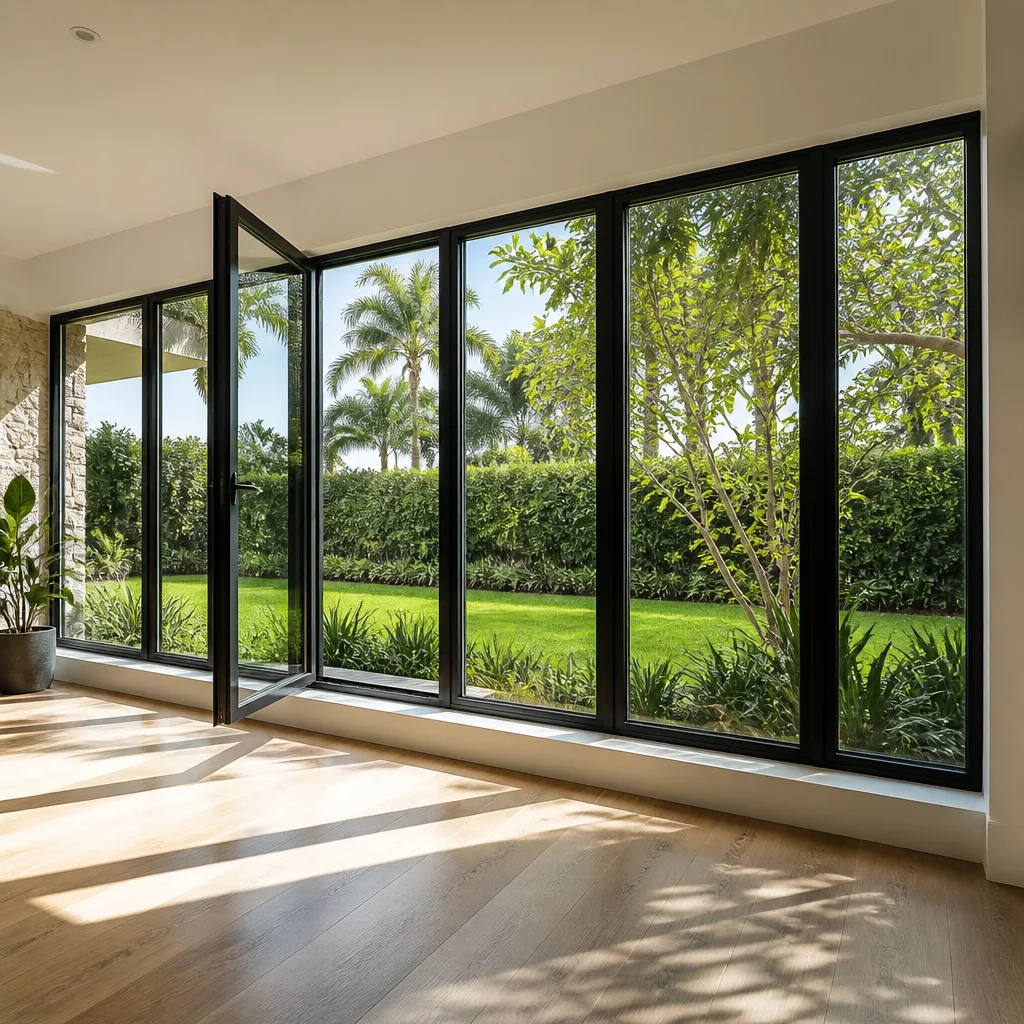
Not every window or door task triggers permit and inspection requirements. Florida’s exempts “minor repairs” from permitting, and Broward County interprets this to include several categories of work that a competent homeowner can perform without legal complication. The savings are real and calculable.
Hardware replacement. Lock mechanisms, handles, and hinges on existing doors and windows can be replaced without permit. A multipoint lock on a Therma-Tru entry door might cost $180-$340 for the part; professional installation runs $150-$250 in labor. DIY savings: $150-$250. The task requires only a screwdriver set and attention to the adjustment screws that control compression.
Weatherstripping replacement. Compression seals, pile weatherstrip, and bulb seals degrade in Plantation’s UV exposure. Replacement material for a typical double-hung window runs $12-$25. Professional installation: $75-$125 per opening. DIY savings: $50-$100 per window. The work is finicky - the kerf must be clean, the seal must seat fully - but it’s genuinely within homeowner capability.
Interior casing and trim. Once a window is installed, the interior finish carpentry is not an inspection item. Material for a standard window: $30-$60 in MDF or finger-joint pine. Professional trim carpentry: $150-$300 per opening. DIY savings: $90-$240. The skill is real - miters must close, reveal must be consistent - but it’s woodworking, not structural work.
Sealant touch-up and maintenance. Exterior sealant at the window-to-wall interface requires annual inspection in Plantation’s climate. A tube of quality polyurethane sealant: $8-$14. Professional recaulking: $125-$200 per opening. DIY savings: $110-$185. The critical detail is joint preparation: old sealant must be fully removed, the joint must be clean and dry, and backer rod must be installed for joints over 1/4 inch. For a complete seasonal routine, see our Seasonal Windows & Doors Care for Plantation: Year-Round Homeowner’s Guide.
These four categories share a characteristic: none alter the structural, weatherproof, or impact-resistant performance of the assembly. They maintain or restore function without changing the engineered system. That’s the legal and practical boundary for DIY work in Plantation.
Real Cost Comparison: Four-Window Replacement
Theoretical savings dissolve when you account for all costs. Here’s the actual math for a typical Plantation scenario: four double-hung impact-rated vinyl windows in a 1980s ranch home in Jacaranda Lakes, replacing original single-pane units.
| Cost Component | DIY Owner-Builder | Licensed Contractor (Sightline) |
|---|---|---|
| Window units (PGT WinGuard or equivalent) | $2,800-$3,600 | $2,800-$3,600 |
| Permit fee (Broward County) | $285-$340 | Included in contract |
| Fasteners, flashing, sealant, shims | $180-$260 | Included in contract |
| Tool rental or purchase (nail gun, level, etc.) | $150-$400 | N/A |
| Dumpster or disposal for old units | $125-$200 | Included in contract |
| Inspection failure correction (30% first-attempt failure rate for owner-builders in Broward) | $400-$800 | N/A - included in contract |
| Your labor (16-24 hours at conservative $35/hour opportunity cost) | $560-$840 | N/A |
| Documented photo record and warranty | Self-generated, no warranty on labor | Included - 365-Day Done Right Promise |
| Total Effective Cost | $4,500-$6,440 | $4,200-$5,800 typical all-in |
The range overlap is the point. At the low end, a skilled owner-builder with existing tools and first-attempt inspection success might save marginally. At the realistic middle, the DIY path costs more. The 30% first-attempt failure rate for owner-builder window permits in Broward comes from our observation of county records and conversations with building officials; it’s not published, but inspectors will confirm it’s consistent with their experience.
What the table doesn’t capture: the time value of managing the process, the liability exposure, and the insurance implications we’ll address next. For Window Replacement in Plantation, our measured survey produces the written price before any work starts. The quote and the final invoice reference the same document. That’s Haven Clause 1, and it’s been our practice since 2012.
Insurance and Warranty Implications of Owner-Installed Impact Windows
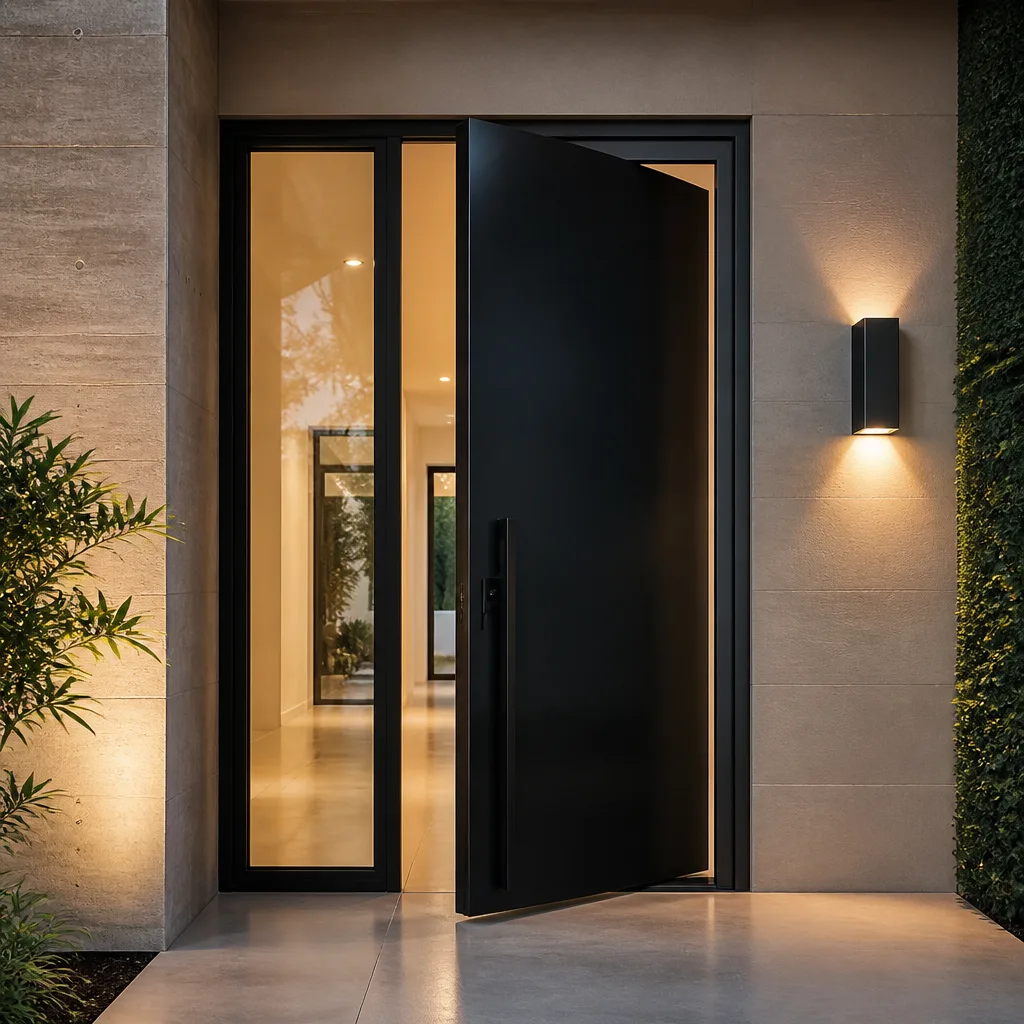
This is the question competitors avoid. What happens when an owner-installed impact window fails during a named storm?
Florida’s insurance market has tightened significantly. Citizens Property Insurance, the state-backed insurer of last resort, now requires proof of opening protection for wind mitigation discounts. The form is the Uniform Mitigation Verification Inspection, completed by a licensed inspector. The inspector photographs and documents each protected opening. If the installation doesn’t match the NOA, the inspector notes it. The discount is denied, and the homeowner pays higher premiums indefinitely.
More critically: failure during a storm event. If an owner-installed window blows in and causes interior damage, the insurer investigates. They will request the permit history. If the work was done under an owner-builder permit, they will examine whether the installation complied with the NOA. If the fastener pattern doesn’t match, or the flashing sequence is wrong, the insurer may deny the claim on the basis of faulty installation. The homeowner’s policy likely contains a workmanship exclusion for self-performed work. We’ve seen this in claims disputes in Plantation and across Broward.
Manufacturer warranty adds another layer. PGT, CGI, CWS, and other impact-rated manufacturers warrant their products against defects in materials and workmanship. But the warranty is conditional on proper installation per the NOA. An owner-builder who deviates from the specified fastener schedule voids the product warranty. The manufacturer will inspect, document the deviation, and decline coverage. The homeowner is left with a failed window, denied insurance, and no recourse.
By contrast, a licensed contractor with documented installation per the NOA preserves both the product warranty and the insurance chain. At Sightline, our Door Installation in Plantation and window work includes the photo record that proves compliance. If there’s ever a question, the documentation exists.
What Actually Happens at Broward County Inspection
Understanding the inspection process clarifies why the DIY path is steeper than it appears. Broward County uses a two-stage inspection for window and door replacement: rough inspection and final inspection. Each has specific triggers.
- Rough inspection. Scheduled after the old unit is removed, the opening is prepared, and the new unit is set but not fully trimmed. The inspector verifies: the opening dimensions match the approved plans; the buck is structurally sound and properly attached; the fastener pattern is visible and matches the NOA; flashing is in place and properly lapped; the unit is plumb, level, and square within tolerance. The inspector will use a level, a tape measure, and may request the NOA document. If the unit is already trimmed and sealed, the inspector may require removal for verification - at your cost.
- Final inspection. Scheduled after all work is complete, including interior trim and exterior sealant. The inspector verifies: the unit operates correctly; hardware functions; sealant is continuous and properly tooled; interior trim doesn’t impede operation; the installation matches the approved rough. For impact-rated units, the inspector confirms the installed product matches the NOA on file - manufacturer, model, size, and glazing specification.
Common failure points we’ve observed for owner-builders in Plantation:
- Fastener spacing exceeds the NOA maximum - typically because the homeowner used the same spacing as the old unit, which predated HVHZ requirements
- Missing or improperly lapped head flashing - often because the sequence wasn’t understood
- Sealant applied over dirty or damp substrate - a detail the inspector may catch by probing
- Product substitution without approval - a CWS unit installed where the NOA specified PGT, for example
- Operable sash binding - usually a framing squareness issue that wasn’t checked before fastening
Each failure requires correction and re-inspection. The re-inspection fee in Broward is $75-$125. The correction time is additional. For a working homeowner, scheduling alone is a burden - inspectors work business hours, and the window must be accessible.
Manufacturer Warranty Requirements You Need to Know
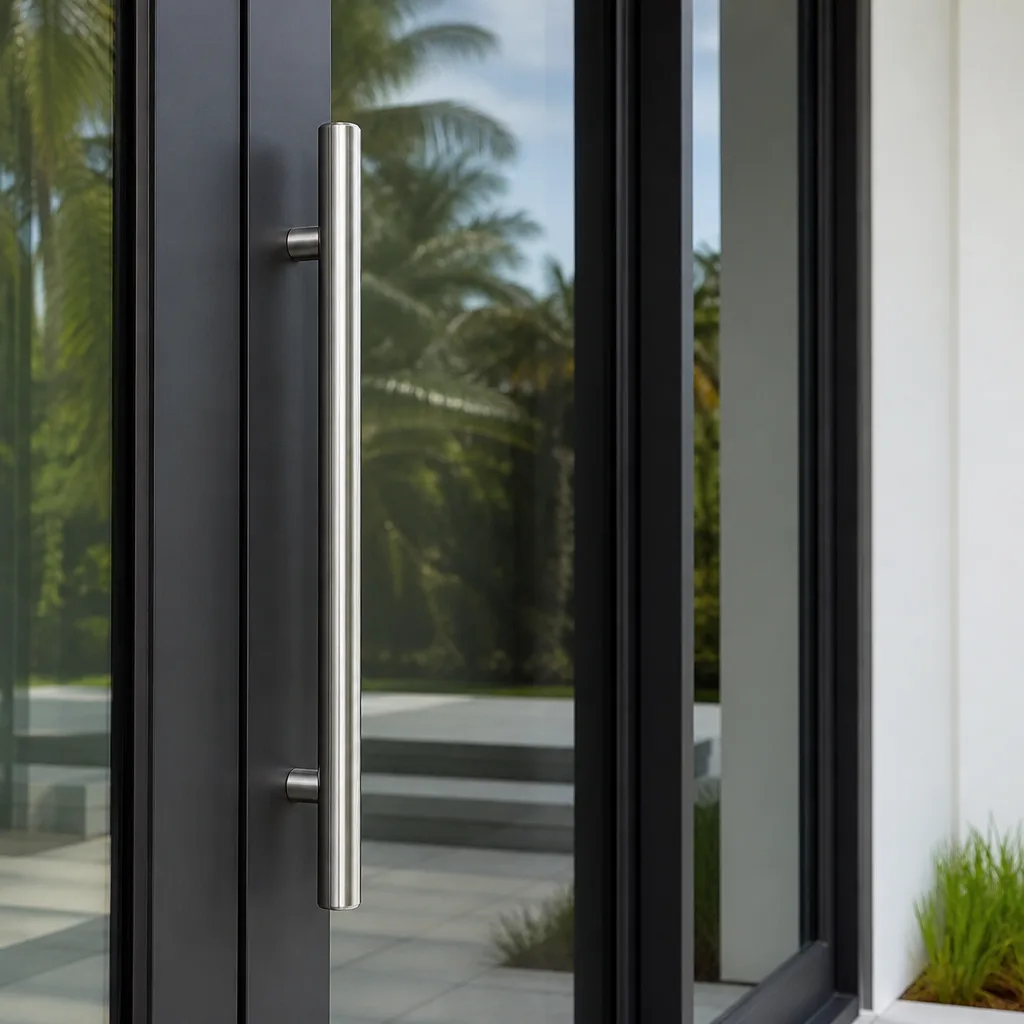
Impact-rated window and door manufacturers don’t sell directly to homeowners for a reason. They require installation by trained professionals who understand their specific systems. The warranty language reflects this.
PGT’s WinGuard warranty, for example, covers the vinyl frame and impact-resistant laminated glass against defects for 20 years from manufacture, and hardware for 10 years. But the warranty document states: “This warranty does not cover damage or failure caused by improper installation.” CGI’s warranty contains similar language. The “improper installation” clause is where owner-builder work is tested.
What constitutes improper installation? The NOA defines it precisely. Using non-stainless fasteners in a coastal environment. Omitting required shims at the sill. Failing to maintain the specified air gap between frame and buck. Installing without the required bead of sealant behind the nailing fin. Each is a warranty void.
Some manufacturers offer extended warranties or enhanced coverage for installations performed by their certified contractors. PGT and CGI both maintain contractor certification programs. Sightline technicians complete manufacturer-specific training for the product lines we install. The certification is documented and transferable to the homeowner.
The practical implication: an owner-builder saves nothing on product cost - manufacturers sell through distribution at similar prices whether the buyer is a contractor or homeowner - but assumes full warranty risk. The contractor’s markup, in this light, is partly insurance against that risk.
Common Mistakes to Avoid
- Assuming the old installation was correct. In Plantation’s older homes, especially in neighborhoods like Plantation Gardens or the original sections of Plantation Woods, windows were installed before HVHZ requirements existed. Using the old fastener pattern as a template guarantees non-compliance.
- Pulling a permit for “repair” to avoid inspection. Broward County classifies full-frame replacement as alteration, not repair. Attempting to classify it otherwise triggers a stop-work order and doubled permit fees.
- Using handyman services under an owner-builder permit. Florida Statute 489.103 requires the owner to personally supervise and direct the work. Delegating to an unlicensed handyman while retaining the permit violates the statute and voids your insurance coverage.
- Ignoring the NOA revision date. Manufacturers update NOAs. The fastener pattern in a 2018 NOA may differ from the 2024 revision for the same product model. Inspectors reference the current NOA on file with the Florida Department of Business and Professional Regulation.
- Neglecting interior air sealing. Even a structurally perfect installation can fail energy inspection if the interior perimeter isn’t sealed with low-expansion foam or backer rod and caulk. This is a common final inspection failure in Plantation’s newer construction zones.
- Discarding documentation. The NOA, installation instructions, permit, and inspection approvals are your proof of compliance. Store them with your homeowner’s insurance documents. We’ve seen claims denied for lack of this paperwork.
When to Call a Professional
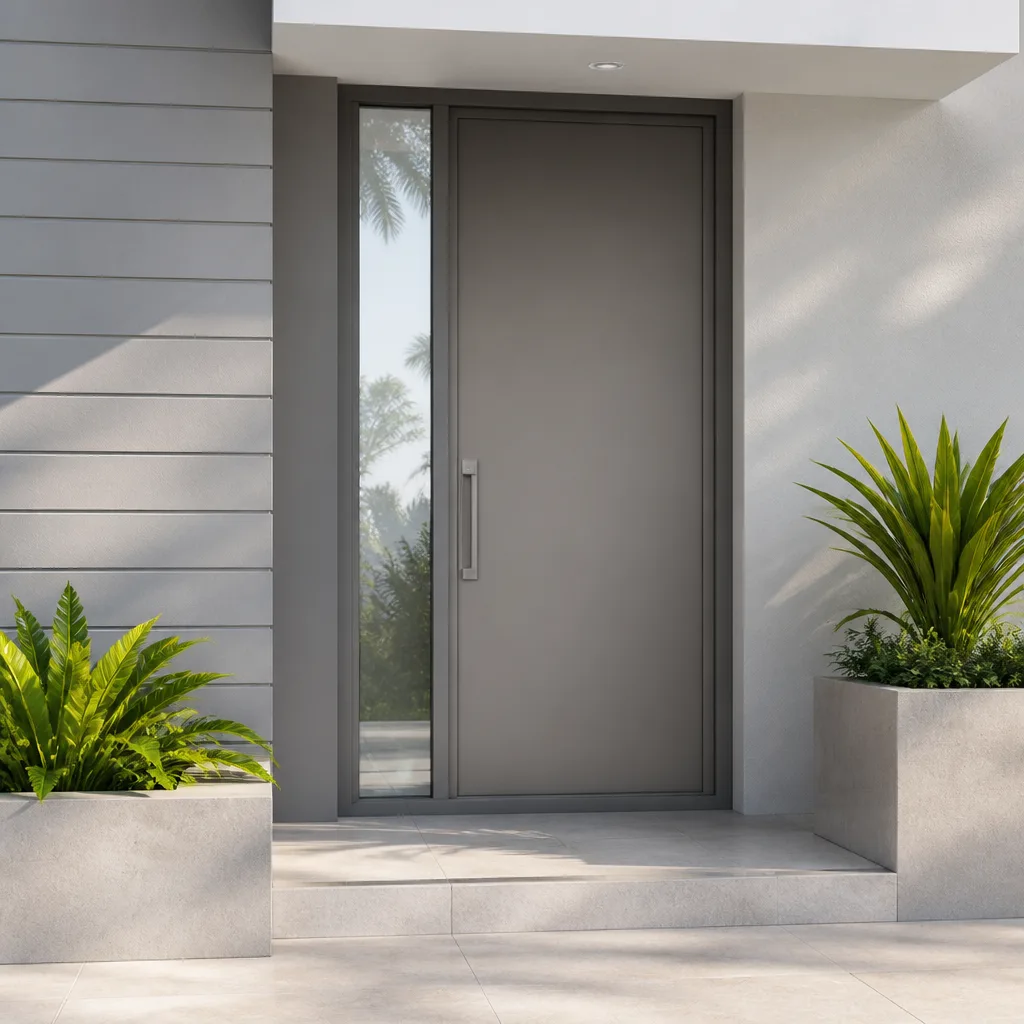
Call a licensed contractor when the work involves structural attachment, weatherproofing, or impact resistance. In Plantation, this means virtually all full-frame window and door replacement. Call when the product is impact-rated and the installation must be documented for insurance or wind mitigation purposes. Call when you cannot personally verify that your work matches the NOA fastener pattern, flashing sequence, and sealant specification. Our Window Installation Maintenance Checklist for Plantation Homeowners details what to verify.
Call when your time has value. The 16-24 hours for a four-window DIY project, plus permit management and inspection scheduling, represents a real cost that the simple product-vs-labor comparison ignores.
Sightline Windows & Doors Plantation offers free estimates in Plantation. Our measured survey produces a written price before any work starts, and the quote and final invoice reference the same document. Every job leaves a documented photo record. Call (754) 704-3597 to schedule your survey.
Frequently Asked Questions
Professional installation of four impact-rated double-hung windows in Plantation typically runs $4,200-$5,800 all-in, including product, permit, labor, and documentation. DIY owner-builder costs range $4,500-$6,440 when you include permit fees, tools, disposal, opportunity cost of labor, and a realistic allowance for inspection correction. The break-even favors professional installation for most homeowners. Call (754) 704-3597 for a written quote on your specific openings - estimates are free.
Yes, under Florida Statute 489.103(7), you can pull an owner-builder permit and perform the work yourself. However, you cannot delegate the work to unlicensed workers while retaining the permit in your name. Broward County requires a notarized affidavit acknowledging your responsibility for code compliance, and inspectors can require proof of NOA-compliant installation. The exemption permits the work; it does not exempt you from the technical standards.
You pay a re-inspection fee of $75-$125 and must correct the deficiency before rescheduling. Common failures include fastener pattern deviations, improper flashing sequence, and product substitutions. If the deficiency is concealed by finish work, you may need to remove trim or sealant for inspector access - at your cost. Repeated failures can trigger a full plan review or stop-work order.
Possibly not. Insurers investigate post-storm claims for installation compliance. If your installation deviated from the NOA, the insurer may deny the claim under workmanship exclusions. Citizens Property Insurance and private carriers in Florida increasingly require documented opening protection for wind mitigation discounts. Owner-builder installations that fail to meet NOA standards can result in both claim denial and loss of premium discounts. A licensed contractor’s documented installation preserves your coverage chain.
Hardware replacement, weatherstripping replacement, interior trim repair, and sealant touch-up are all within homeowner capability and do not require permits. These tasks typically save $75-$200 per opening compared to professional service. Annual sealant inspection is particularly important in Plantation’s climate - UV degradation and thermal cycling accelerate failure. Use quality polyurethane sealant, remove all old material before reapplication, and install backer rod in joints over 1/4 inch.
Request the NOA for the specific product being installed and verify it matches the proposed unit by manufacturer, model, and size. Confirm the contractor will photograph the fastener pattern, flashing sequence, and final sealant application. Ask for proof of manufacturer certification for the product line. At Sightline, we provide the measured survey you keep, the written scope with the NOA referenced, and the photo record on completion - Haven Clause 1 and Clause 4 in practice. Call (754) 704-3597 to review our documentation process.
The Bottom Line
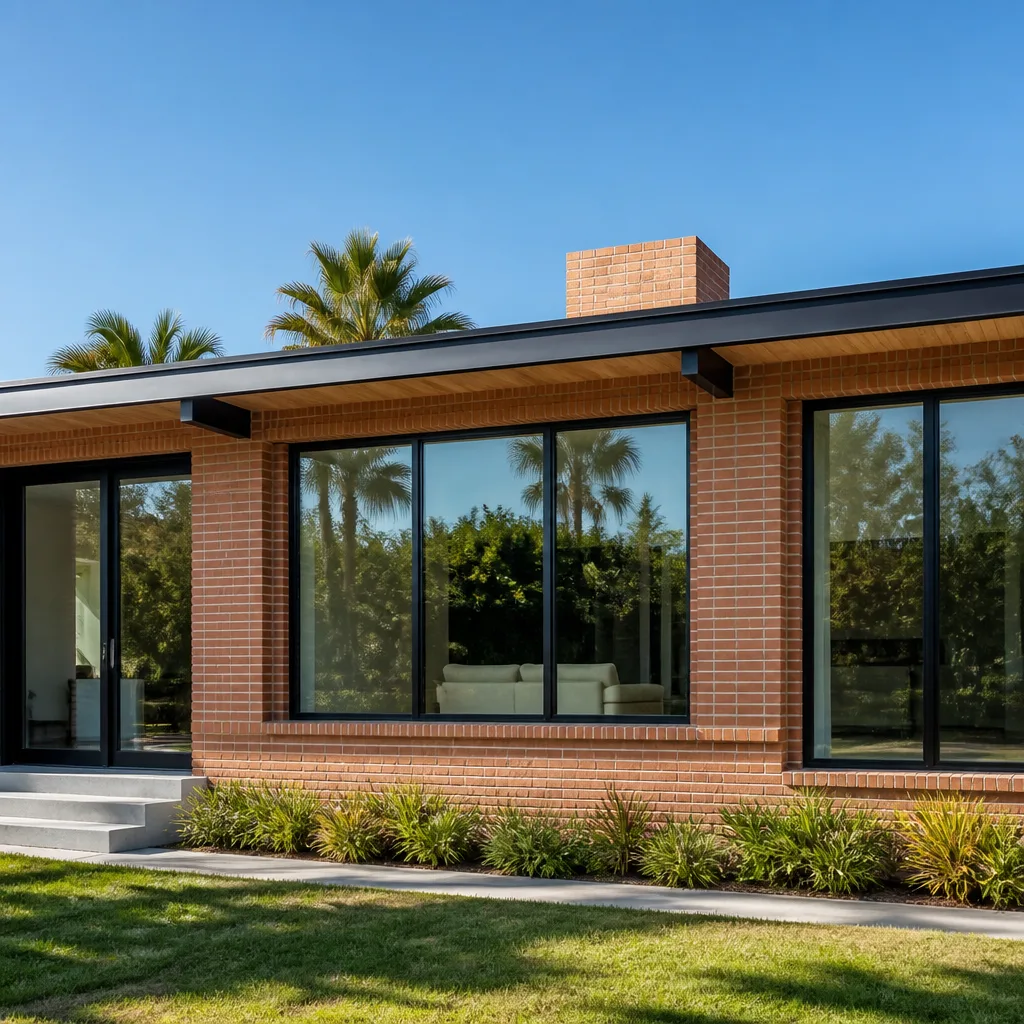
The DIY versus professional question in Plantation is decided at the permit counter, not the hardware aisle. Florida law permits owner-builder work, but Broward County’s HVHZ requirements create a technical bar that most homeowners cannot document without professional training. The narrow band of genuinely DIY-friendly tasks - hardware, weatherstripping, trim, sealant - offers real savings of $75-$200 per task. Full-frame replacement of impact-rated units does not; the realistic cost comparison, including opportunity cost and inspection risk, favors licensed installation. The insurance and warranty implications of a failed owner-builder installation extend far beyond the initial job cost. For work that must hold in a named storm, documented professional installation is the lower-risk path. Explore more guides & resources on protecting your Plantation home.
Written by Sonia Raman, Owner at Sightline Windows & Doors Plantation, serving Plantation since 2012.
Six Reasons Homeowners Choose Sightline Windows & Doors Plantation
Impact systems engineered to design pressures up to +/-100, matched to your wind zone - your openings hold when the storm arrives.
Low-E insulated impact glass from our manufacturer lines commonly cuts monthly cooling bills 20-30%.
Laminated impact glass shuts out up to 40% of outside noise - traffic, neighbors, weather.
Monitoring services run $30-90 a month. Laminated impact glass resists forced entry around the clock, with no subscription.
Florida homeowners average around 25% savings on the windstorm portion of their policy after protecting every opening - some homes qualify for more.
A full impact package upgrades curb appeal, buyer confidence and appraised value in one project.
Other Sightline Windows & Doors Plantation Services