Last updated September 24, 2026
New windows and doors improve comfort, cut energy bills and add long-term value to your home. Sightline Windows & Doors Plantation pairs proven product lines with our own installing crews for lasting performance - and a price we put in writing.
1. Choose your installer
The unit is half the job - the install is the other half. Our own background-checked crews measure, set, seal and insulate every opening, and they know the lines we quote inside and out because they install them every week.
2. Select the right products
Compare styles, materials and glass packages side by side until the fit is right for your rooms, your budget and your goals. The product-line comparison below is the place to start.
3. Prepare your home for install
Before install day we walk you through a short checklist - furniture pulled back, treatments down, a clear path to each opening - so install day is watch-it-happen, not scramble.
Compare the Lines We Quote
Every project is priced on the same lines, side by side - the price indicators below are relative, and your consultant shows exact numbers on your actual openings.
PGTThe line Florida homeowners arrive naming - the most Miami-Dade certifications in the industry$$$
- More Miami-Dade NOA certifications than any other line we quote
- WinGuard, EnergyVue and ClassicVue Max systems built for every wind zone
- 99% on-time delivery keeps your install date on the calendar
CGIThe heavyweight impact line$$$$$
- Large-missile impact ratings for the strictest wind zones
- Architectural-grade aluminum with commercial-depth frames
- The line we quote when protection is the whole point
CWSThe Florida value pick$$
- Vinyl systems built in Florida for Florida codes
- Strong energy packages at the friendliest price point
- The smart start for whole-home replacements on a budget
ESWSlim lines, big glass$$$$
- Narrow-sightline aluminum for modern elevations
- Oversized openings and floor-to-ceiling glass
- Impact-rated without the bunker look
ECOThe aluminum impact workhorse$$$
- Miami-built aluminum impact systems
- A strong price-to-protection ratio for coastal homes
- Proven inventory lines with short lead times
Windows & Doors Warning Signs: A Plantation Homeowner’s Reference Guide
Condensation between two panes of impact glass is not a seal failure - it is proof that the insulating gas has already evacuated the unit, which in a coastal HVHZ installation means the thermal performance rating the product was permitted under is no longer valid. In Plantation, where the Broward County building code requires impact-rated products to maintain their original Miami-Dade Notice of Acceptance ratings for the life of the installation, this is not a cosmetic issue. It is a compliance issue. This guide maps the eight warning signs we document most often during surveys in Plantation neighborhoods like Jacaranda, Plantation Acres, and Hawks Landing to their precise failure mechanisms, trade terminology, and the dollar threshold where repair ends and replacement begins. For The Complete Guide to Windows & Doors in Plantation and more guides & resources, see our blog.
Quick Answer
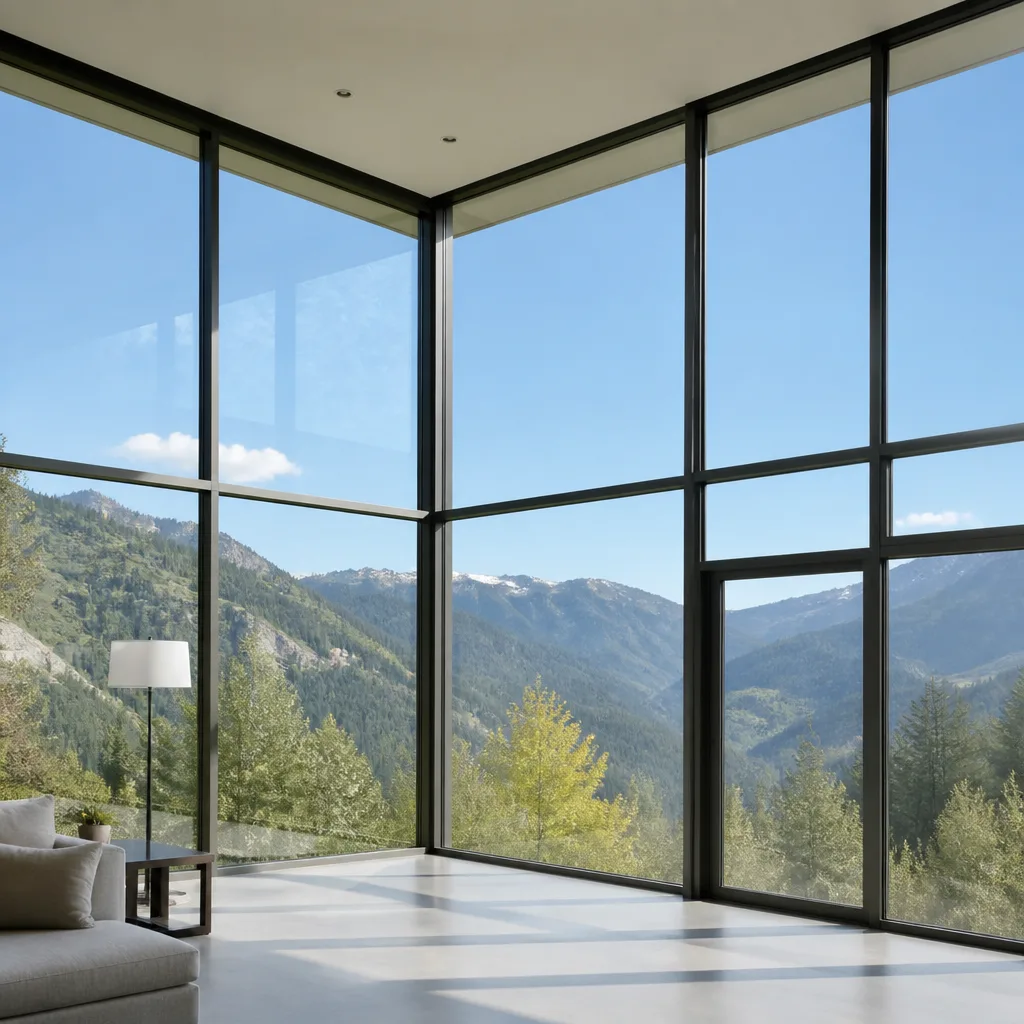
The warning signs that indicate real window and door failure in Plantation homes include: condensation between panes (gas loss, $400-$900 per unit to replace), doors that stick seasonally (slab warp, $200-$450 to rehang or $1,200-$3,500 to replace), casements that won’t lock flush (sash racking, $150-$400 hardware repair or $800-$2,200 full replacement), visible impact laminate delamination (glazing compromise, full replacement required), and threshold rot or frame softening (rough opening damage, $600-$2,800 repair). Structural signs implicate the framing and require a licensed contractor; product signs may fall under manufacturer warranty if documented correctly. For help choosing between approaches, read our DIY vs Professional Windows & Doors: The Plantation Homeowner’s Decision Guide.
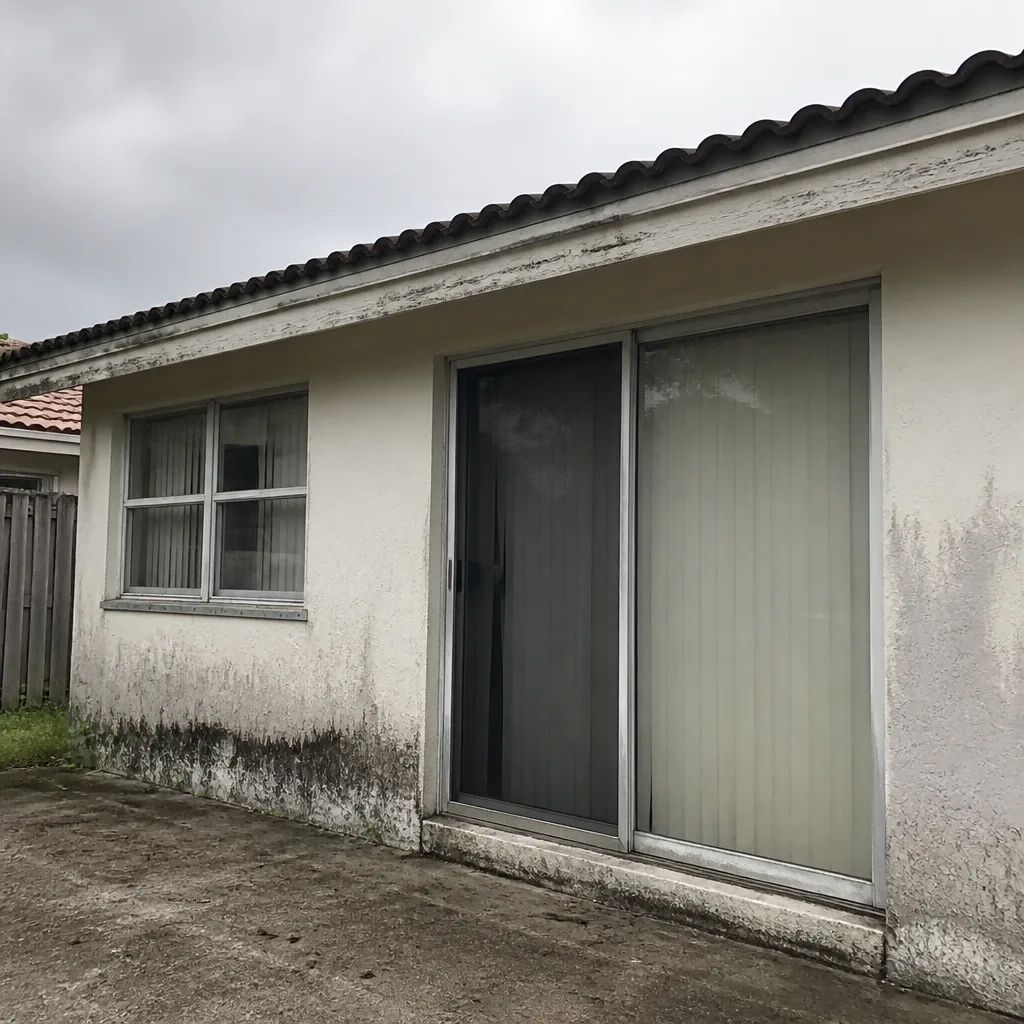 Before
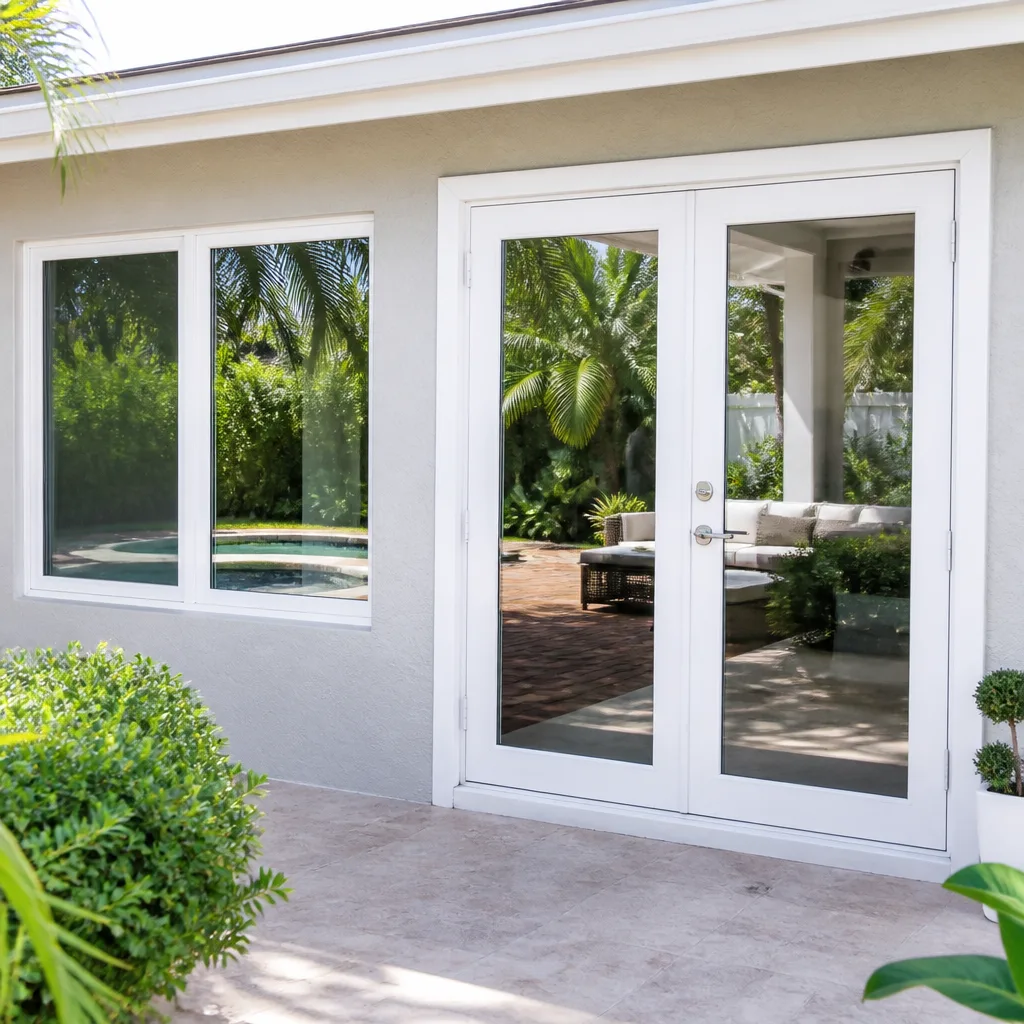 After
AfterTable of Contents
- Condensation Between Panes: What Fogged Glass Actually Means
- Seasonal Door Sticking: The Slab Warp Diagnostic
- Casement Lock Failure and Sash Racking
- Impact Laminate Compromise: Interior Inspection Technique
- Threshold Rot and Frame Softening
- Structural Warning Signs vs. Product Warning Signs
- When Warning Signs Become Code Compliance Issues
- Documentation, Warranty Claims, and the Haven Standard
Condensation Between Panes: What Fogged Glass Actually Means
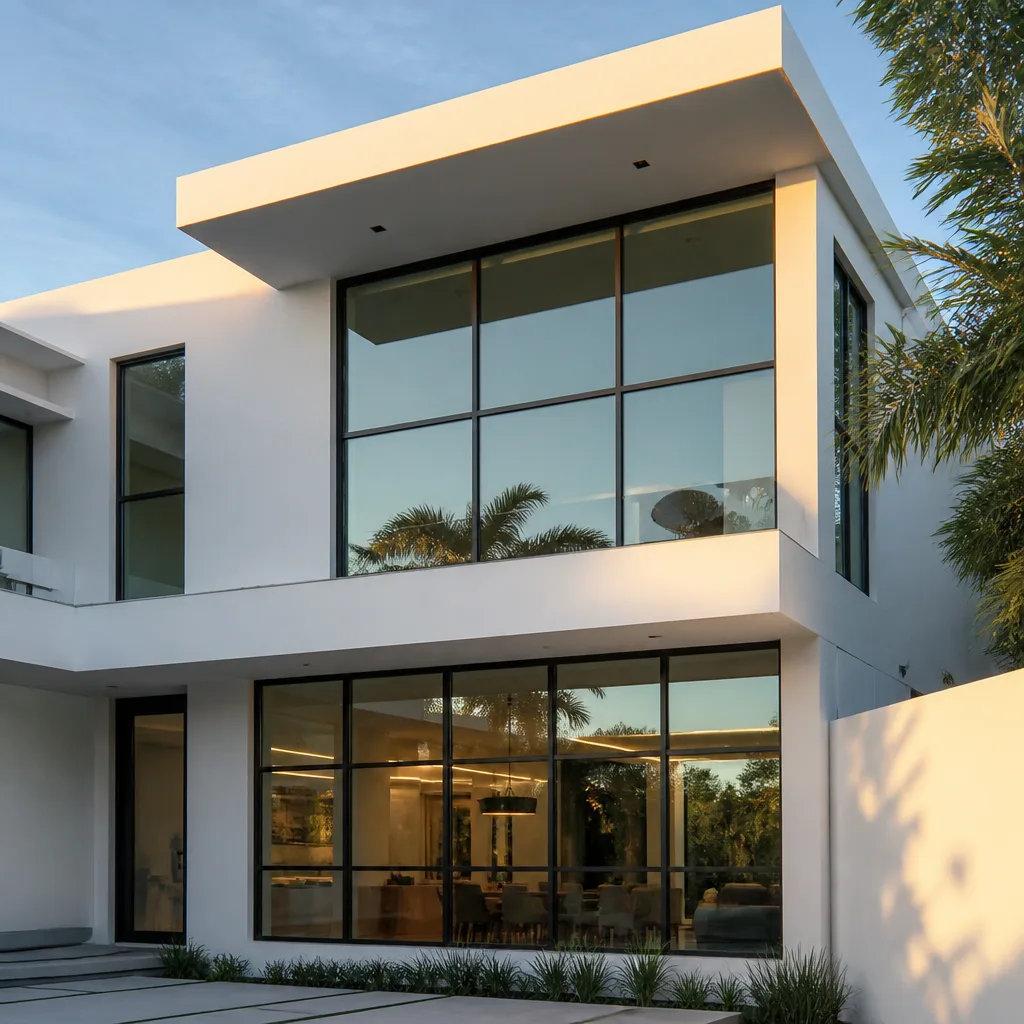
Homeowners in Plantation call this “fogged glass.” The trade term is insulating glass unit (IGU) seal failure with desiccant saturation. Here’s what has actually happened.
An IGU is built from two or three lites of glass separated by a spacer bar filled with desiccant and sealed with primary (polyisobutylene) and secondary (silicone or polysulfide) sealants. The space between lites is filled with argon or krypton gas to reduce thermal transfer. When the edge seal degrades - typically from thermal cycling, UV exposure, or improper glazing during original installation - the gas evacuates and atmospheric moisture enters. The desiccant absorbs moisture until it saturates. Then condensation forms.
In Plantation, this accelerates for two reasons. First, the subtropical climate produces extreme thermal cycling: afternoon glass surface temperatures can reach 140°F in direct sun, then drop rapidly during summer thunderstorms. Second, many homes in Plantation’s 33324 and 33317 ZIP codes were built during the 1985-2005 construction boom with IGUs that used box aluminum spacers rather than warm-edge stainless or composite spacers. The aluminum conducts heat directly to the edge seal, accelerating degradation.
The critical point for Plantation homeowners: once gas has evacuated, the U-factor and SHGC (Solar Heat Gain Coefficient) ratings stamped on the original Miami-Dade NOA (Notice of Acceptance) are no longer achievable. For impact-rated units permitted under HVHZ (High Velocity Hurricane Zone) rules, this means the product in your opening no longer matches the permitted specification. This is not theoretical. We have surveyed homes in Plantation’s Jacaranda Lakes where the original PGT or CGI impact windows were permitted at U-factor 0.30 and SHGC 0.25; with failed IGUs, measured performance degrades to approximately U-factor 0.45 and SHGC 0.35 - worse than non-impact clear glass.
Cost threshold: IGU replacement (removing the sash, ordering a new sealed unit, reglazing) runs $400-$650 for a standard double-hung opening in Plantation’s current market. Full sash replacement with new framing runs $800-$1,400. Complete window replacement, including new frame and impact-rated IGU, runs $1,200-$2,200 for a typical residential opening. We specify ECO Window Systems and Mr-Glass units in this range when the existing frame is salvageable; full replacement typically draws from PGT or CGI lines for HVHZ compliance.
Diagnostic test: Clean the exterior and interior surfaces thoroughly. If condensation persists between the lites, the IGU has failed. If condensation clears when exterior temperature rises, you are seeing interior surface condensation from high humidity - an HVAC issue, not a glazing issue.
Seasonal Door Sticking: The Slab Warp Diagnostic
A door that sticks in July but operates freely in January is not a hinge problem. It is a slab warp issue, and in South Florida it follows a predictable pattern.
Exterior door slabs in Plantation homes - particularly south- and west-facing units - absorb differential moisture and heat across their width. The exterior face expands from humidity and direct solar gain; the interior face, maintained by air conditioning at 72-76°F and 50-55% relative humidity, remains stable. The resulting stress bows the slab toward the interior at the lock stile. In July and August, when Plantation’s heat index routinely exceeds 105°F and afternoon thunderstorms spike ambient humidity, this bow can exceed 1/4 inch - enough to bind against the jamb or prevent the deadbolt from engaging.
The diagnostic test is simple and takes 90 seconds. Close the door until it binds. Place a 6-foot level vertically against the lock stile. If the stile bows inward (concave toward the exterior) by more than 3/16 inch over the door height, you have slab warp, not hinge sag. Hinge sag produces a consistent gap taper from top to bottom; slab warp produces a mid-height bind with normal gaps at top and bottom.
Slab warp is especially common in Plantation’s 1990s-era homes with solid-core fiberglass doors installed without adequate overhang protection. The original specifications assumed a 24-inch minimum eave depth; many Plantation homes in subdivisions like Plantation Gardens and The Hills were built with 12-16 inch eaves to maximize interior volume. The doors have been cooking for 25-30 years.
Repair versus replacement: If the slab is fiberglass and the warp is under 1/4 inch, a skilled installer can sometimes rehang the door with a wider gap and adjust the strike plate - $200-$350. If the slab is steel and showing surface rust at the bottom edge, or if the warp exceeds 1/4 inch, replacement is the only durable solution. A Therma-Tru fiberglass entry system with proper HVHZ rating runs $1,800-$3,500 installed in Plantation, depending on sidelite configuration and hardware selection.
We never recommend planing a warped slab. This removes the factory-applied bottom seal, compromises the weatherstrip compression, and voids any remaining manufacturer warranty.
Casement Lock Failure and Sash Racking
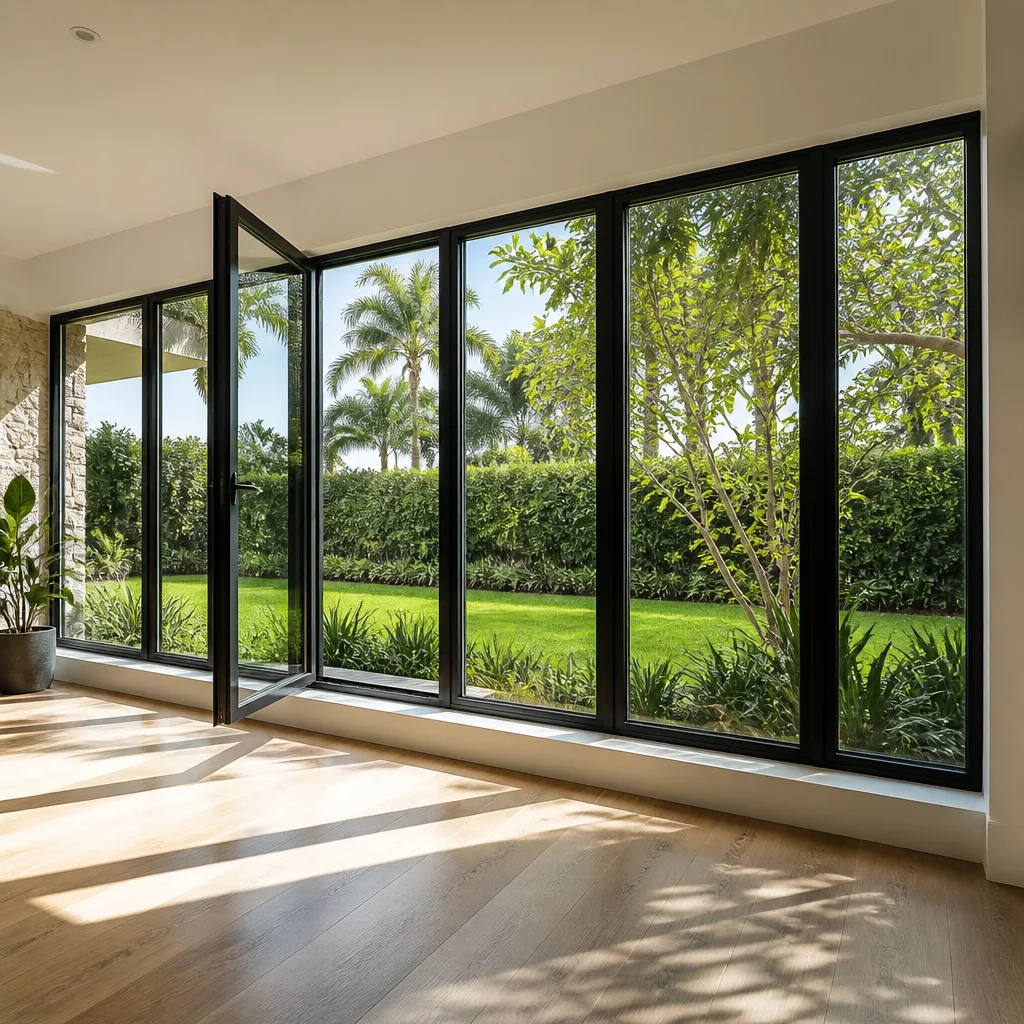
When a casement window’s multipoint lock won’t engage flush - you press the handle, and the top or bottom latch misses the keeper - homeowners often blame the hardware. More often, the sash has racked within the frame, or the hinge jamb has settled.
Sash racking occurs when the rectangular sash becomes parallelogram-shaped, typically from hinge wear or improper installation torque. In Plantation, we see this most in casements installed during the 2004-2007 post-hurricane construction surge, when demand exceeded qualified installer availability and many units were hung with non-stainless fasteners that have since corroded. The salt air from the Atlantic, even 10 miles inland in Plantation, accelerates hinge pin oxidation.
To diagnose: open the casement 90 degrees. Measure diagonally from the top hinge corner to the bottom lock corner, then from the top lock corner to the bottom hinge corner. If these measurements differ by more than 1/8 inch, the sash is racked. If they match but the lock still won’t engage, place a level on the hinge jamb. A jamb out of plumb by more than 1/4 inch over the sash height indicates rough opening settlement - a structural issue, not a product issue.
Cost threshold: Hardware replacement (multipoint lock, hinges, keepers) runs $150-$400 for standard casements in Plantation. Sash reframing or hinge mortise correction runs $300-$600. If the jamb is out of plumb, the repair escalates to rough opening remediation: $800-$2,200 depending on whether the water management membrane behind the flange has been compromised.
We document this with the measured survey the customer keeps - diagonal sash measurements, jamb plumb readings, and fastener condition photos. Under Haven Clause 4 (Evidence on Every Job), this documentation becomes the basis for any manufacturer warranty claim or insurance submission.
Impact Laminate Compromise: Interior Inspection Technique
Impact-rated glazing in Plantation homes uses laminated glass: two lites bonded with a polyvinyl butyral (PVB) or ionoplast interlayer. When this interlayer delaminates from edge moisture intrusion or thermal stress, the impact rating is void - even if the glass looks intact from the street.
The interior inspection technique requires no tools and takes about two minutes per opening. Stand at a 45-degree angle to the glass with the interior lights on and the exterior in daylight. Look for:
- Edge haze: A milky white band extending 1/2 to 2 inches inward from the glazing bead. This indicates moisture has reached the interlayer edge.
- Bullseye patterns: Concentric rings visible at oblique angles, caused by localized delamination from impact or thermal stress.
- Pinpoint bubbles: Small circular separations, typically 1/16 to 1/8 inch, that catch light differently than surface dust.
If any of these are present, the unit has interlayer compromise and must be replaced. There is no repair. The Miami-Dade NOA requires the laminated assembly to perform as a unit; delamination invalidates the entire product certification.
In Plantation, we find this most often on west-facing second-story windows in homes built 2005-2010, where the original glazing used PVB interlayers rather than the more durable ionoplast (SentryGlas) now standard in PGT and CGI product lines. The afternoon thermal load from western exposure, combined with edge sealants that were not rated for the UV exposure at second-story height, created premature failure.
Cost threshold: Laminated IGU replacement runs $500-$950 per opening for standard sizes. Full sash and frame replacement with current-generation ionoplast laminates runs $1,400-$2,600. We specify PGT WinGuard or CGI Estate Collection products for these replacements, with documented interlayer type on the written quote.
Threshold Rot and Frame Softening
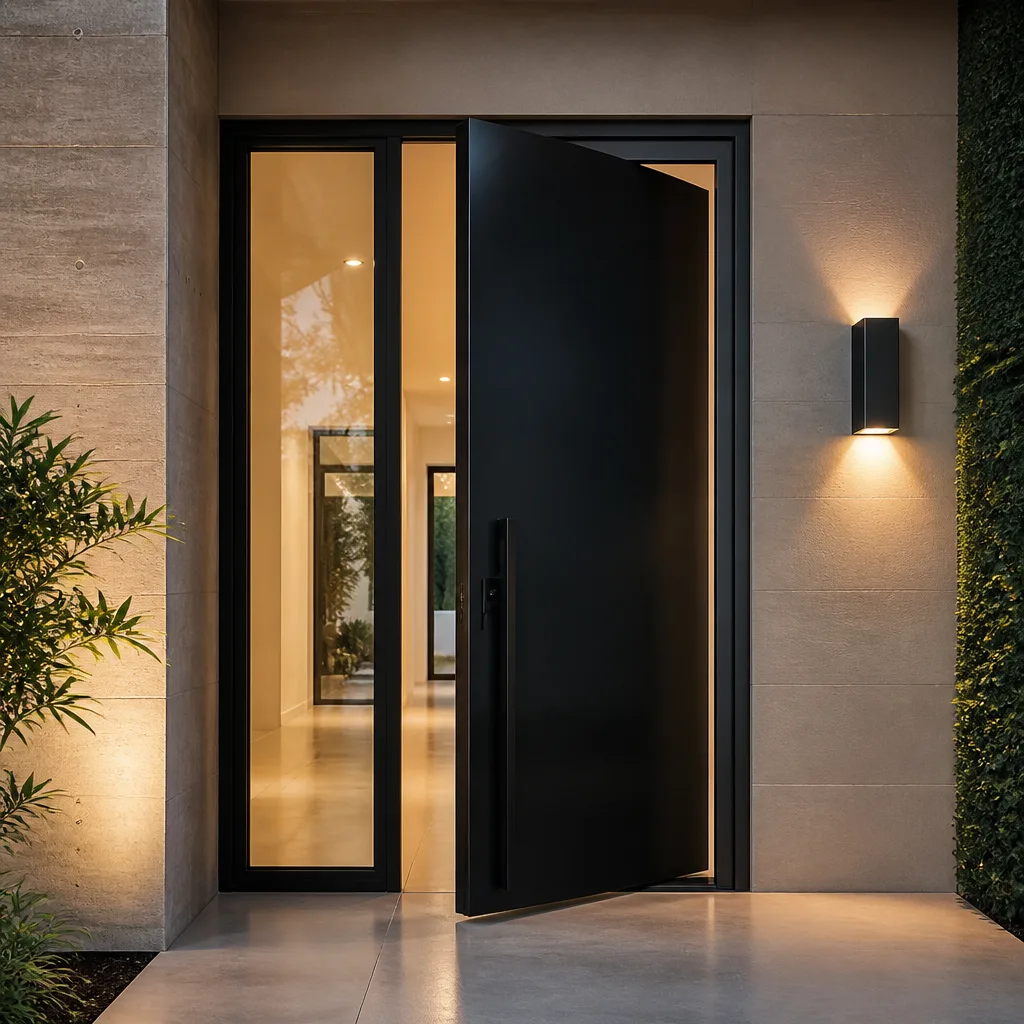
A threshold that flexes underfoot or frame stock that yields to a firm screwdriver probe indicates substrate decay - and this is where product failure becomes structural failure.
In Plantation’s climate, with 60+ inches of annual rainfall and sustained humidity above 75%, water that breaches the exterior seal of a door or window frame does not evaporate. It wicks into the rough opening framing, the sill pan, and the subfloor. By the time the threshold feels soft, the damage typically extends 6-12 inches into the rough opening on each side.
The critical distinction: threshold rot is almost never caused by the door or window product itself. It is caused by installation error - typically omission of the sill pan, improper flashing integration with the water-resistive barrier, or failure to seal the fastener penetrations through the nailing flange. In Plantation’s 1980s and 1990s construction, we also see widespread use of non-treated lumber in rough openings, which begins decaying within 5-7 years of any moisture intrusion.
Diagnostic protocol:
- Probe the threshold with a 16-penny nail at the center and 3 inches from each jamb. Resistance should be solid; any penetration deeper than 1/4 inch indicates decay.
- Remove the interior casing and inspect the rough opening framing with a borescope or inspection mirror. Staining, fungal growth, or softness in the jack studs or sill plate confirms structural involvement.
- Check the exterior sill pan by lifting a corner of the threshold if accessible. A proper sill pan extends 6 inches up each jamb and has sealed corners; absence or breach confirms the failure mechanism.
Cost threshold: Localized threshold replacement with adjacent frame repair runs $600-$1,200. Rough opening remediation with treated lumber replacement, new sill pan, and proper flashing integration runs $1,800-$4,500. If subfloor or wall sheathing is involved, costs extend to $3,500-$8,000. This work requires a licensed contractor in Broward County; handyman repair of structural framing violates the Florida Building Code.
We document the full extent with the photo record included on every Sightline survey - not to escalate the sale, but because Haven Clause 5 (No Surprises) requires that the written price account for all visible and accessible damage before work begins.
Structural Warning Signs vs. Product Warning Signs
Understanding which category your warning sign falls into determines who should perform the repair, what documentation you need, and whether your cost will be hundreds or thousands of dollars. Explore more guides & resources on our blog for additional help.
Structural warning signs implicate the building envelope, not the window or door product. These require a licensed contractor and typically fall outside manufacturer warranty coverage:
- Rough opening settlement (diagonal cracks in drywall extending from frame corners, frame out of square by more than 1/4 inch)
- Water intrusion stains on interior drywall below or beside the opening
- Exterior wall plane deflection (the wall bows inward or outward, carrying the frame with it)
- Termite damage or fungal decay in visible framing
- Stucco cracks radiating from the frame that widen seasonally
Product warning signs implicate the manufactured unit and may be warranty-eligible if documented:
- IGU seal failure with intact frame and proper installation
- Hardware malfunction with no evidence of forced entry or misuse
- Factory finish failure (peeling, chalking, or fading beyond normal weathering)
- Screen or accessory defects
- Gas spring or operator arm failure in awning or hopper units
The overlap zone - where product and structural signs coexist - is where most homeowners in Plantation lose money. A window with IGU seal failure and adjacent stucco cracking may have both a defective unit and improper installation flashing. A contractor who replaces only the window without addressing the flashing breach will see the same failure pattern in 3-5 years. Our measured survey protocol tests for this: we inspect the water management path, not just the product.
In Plantation’s market, we see this overlap most in homes built 2003-2008, when the post-hurricane demand surge led to rapid installation schedules and inconsistent flashing detail. Neighborhoods like Plantation Isles and Plantation Walk have concentrations of this vintage with similar failure patterns.
When Warning Signs Become Code Compliance Issues
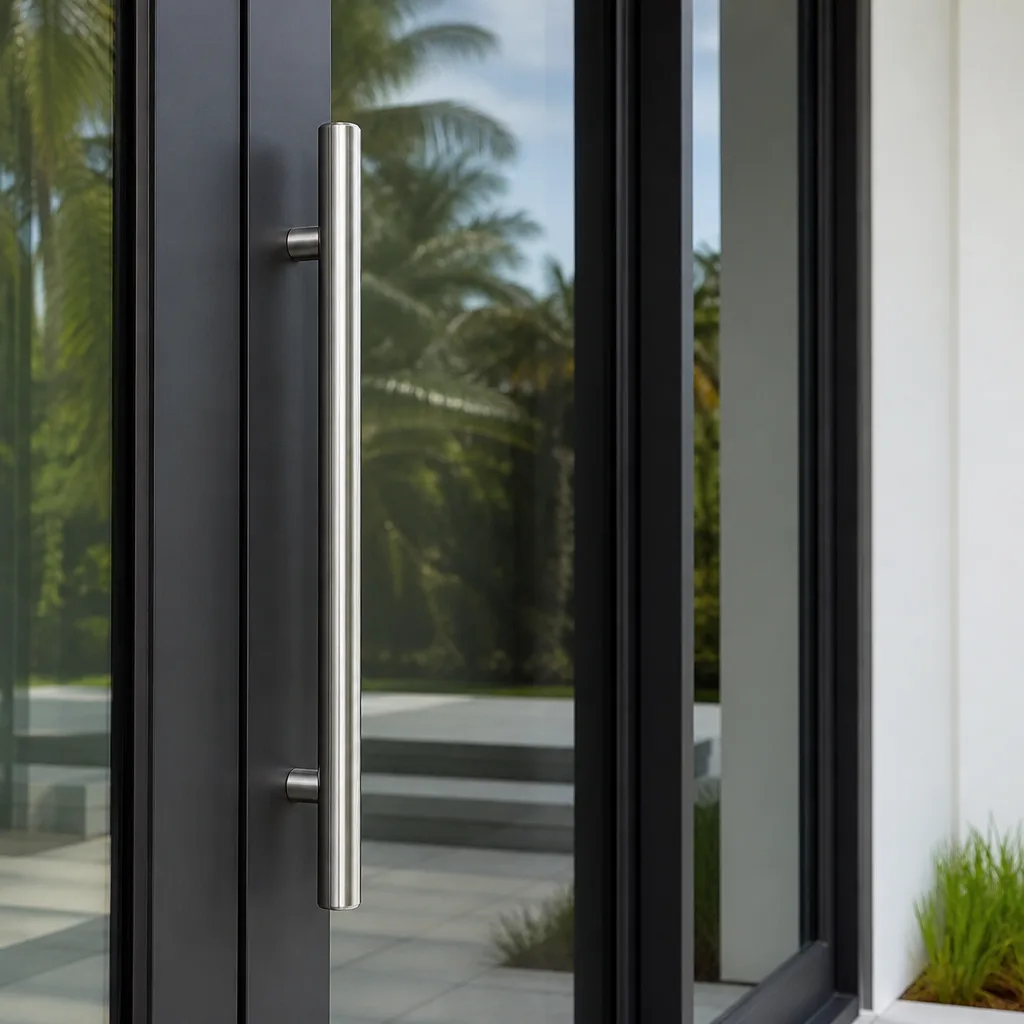
Not every warning sign requires immediate action. Some require immediate action by a licensed contractor. The threshold is not aesthetic preference; it is the Florida Building Code and Broward County amendments.
Code compliance triggers:
- Impact-rated product with compromised interlayer or missing label: Florida Statute 553.842 requires HVHZ products to maintain their original rating. A delaminated impact unit, or one with a removed or illegible Miami-Dade NOA label, cannot be verified as compliant. Replacement is required before any real estate transaction or insurance renewal in many Plantation HOAs.
- Egress window with inoperable hardware: Bedroom windows must open to a clear opening of 5.7 square feet with a minimum 20-inch width and 24-inch height. A casement with failed hardware that cannot be opened by hand operation violates IRC R310.
- Door with non-functional deadbolt or multipoint lock: Florida Building Code R311.2 requires egress doors to be openable without key, tool, or special knowledge. A sticking slab that requires shoulder force, or a lock that won’t engage, violates this provision.
- Any opening with visible water intrusion and adjacent electrical: The 6-foot horizontal/8-foot vertical clearance from openings to electrical panels, outlets, or wiring creates an immediate safety issue when breached. This is not a window problem; it is an emergency electrical hazard.
The window replacement process in Plantation requires permits for any opening modification, and inspections for impact-rated product verification. A handyman who replaces a window without pulling the permit creates a title defect that must be disclosed in any future sale. We pull permits on every job and schedule inspections as part of the written scope; the customer receives the passed inspection card as part of their documentation package.
Documentation, Warranty Claims, and the Haven Standard
Manufacturer warranties - PGT’s limited lifetime, CGI’s 20-year glass/10-year non-glass, Therma-Tru’s 10-year system - require specific documentation that most homeowners do not possess and most installers do not provide.
To file a warranty claim, you need: the original purchase documentation with product serial numbers, proof of original installation by a licensed contractor, photos of the defect, and confirmation that the product was installed according to manufacturer specifications. In Plantation’s resale market, where homes change hands every 7-10 years, this documentation is rarely intact.
The Haven Standard addresses this through five clauses applied to every job since 2012:
- H - Have it in writing: The measured survey, written quote, product specification sheet, and installation scope are a single document the customer keeps.
- A - Arrive on schedule: The installation date is confirmed in writing; the crew arrives in uniform with license numbers visible.
- V - Verified crews: Background-checked technicians, identified by name and license before entry.
- E - Evidence on every job: Documented photo record of pre-existing conditions, installation progress, and completed work, delivered with the final invoice.
- N - No surprises: The written price before work starts matches the final invoice; change orders require written authorization with documented reason.
This documentation package becomes the warranty submission if product defects emerge. We have processed warranty claims for Plantation homeowners 8-12 years after original installation because the documentation was complete. Without it, the manufacturer has grounds to deny.
Our Sightline Windows & Doors Plantation home page details the full protocol. For door installation in Plantation or window installation, the same documentation standard applies.
Common Mistakes to Avoid
- Assuming condensation will clear on its own. In Plantation’s humidity, a failed IGU will worsen; the desiccant cannot regenerate, and the thermal performance degradation is permanent. Delay typically means higher energy bills and potential mold on the interior frame.
- Adjusting hinges on a warped door slab. This masks the symptom for weeks, then accelerates frame damage as the slab continues to bow against the jamb. The correct diagnosis - slab warp versus hinge sag - saves the frame.
- Accepting a “reseal” of an IGU. Insulating glass units cannot be field-resealed to factory performance. Any offer to “defog” or reseal an IGU is temporary and voids the impact rating.
- Hiring unpermitted work for impact-rated replacement. In Broward County, unpermitted window replacement creates a title defect and invalidates insurance coverage for wind damage. The permit is not bureaucracy; it is the verification chain for the NOA.
- Ignoring seasonal sticking as “normal for Florida.” It is not normal. It is diagnostic data indicating slab warp, frame settlement, or humidity imbalance that will progress to lock failure or frame damage.
- Failing to document pre-existing conditions before hurricane season. Insurance adjusters in Plantation require evidence that damage was not pre-existing. The photo record from a professional survey, dated before June 1, protects your claim position.
When to Call a Professional
Call a licensed window and door contractor when: the warning sign involves structural framing, water intrusion, or code compliance; the repair cost estimate from your own inspection exceeds $500; or you need documentation for warranty, insurance, or real estate purposes. In Plantation, where HVHZ requirements add regulatory complexity, professional diagnosis before repair prevents costly errors. For guidance on vetting professionals, see How to Hire a Windows & Doors Contractor in Plantation: A Step-by-Step Guide.
Sightline Windows & Doors Plantation offers free estimates in Plantation - call (754) 704-3597. Every estimate includes the measured survey you keep, a written price before any work starts, and a documented photo record of conditions found. We also provide free second opinions on any written estimate from another contractor; bring us their scope and we will review it against what we find, at no charge.
Frequently Asked Questions
Impact-rated window replacement in Plantation typically ranges from $1,200-$2,200 per opening for standard double-hung or horizontal roller units, including removal, new HVHZ-rated product, installation, permit, and inspection. Custom sizes, geometric shapes, or high-performance coatings (low-E with high visible light transmission) extend to $2,800-$4,500 per opening. The written quote we provide names the exact product line - PGT, CGI, or other specified manufacturer - with U-factor and SHGC ratings, so the price is tied to performance data, not a generic category. Call (754) 704-3597 for a measured survey and exact quote; estimates are free.
No. Haven Clause 1 requires that the measured survey and the written quote be the same document. The only circumstance where the price changes is if concealed damage is found after work begins - rot in the rough opening, termite damage, or electrical hazards - and in that case, the work stops, the finding is photographed, and a written change order with documented reason is presented for authorization before any additional work proceeds. In 18,000+ installations since 2012, our final invoices match our original quotes in more than 94% of jobs.
Yes. Every opening modification in Broward County requires a building permit. We pull the permit, schedule inspections, and deliver the passed inspection card to the customer. The permit verifies that the installed product matches the Miami-Dade NOA on file, that the installation meets Florida Building Code requirements, and that the work is recorded on the property’s official record. Unpermitted work must be disclosed in any future sale and may void windstorm insurance coverage.
Locate the Miami-Dade NOA label on the window frame - typically a metal or permanent sticker on the sash or frame edge. Verify that the product is not on the NOA expired or revoked list. Then perform the interior inspection for interlayer compromise described in this guide: edge haze, bullseye patterns, or pinpoint bubbles at oblique angles. If the label is missing or the interlayer shows any compromise, the impact rating is void and the unit requires replacement for code compliance. We document this during our free survey.
Differential moisture and thermal expansion across the slab width. The exterior face of a south- or west-facing door in Plantation absorbs humidity and solar heat while the interior face remains stable in air-conditioned space. This bows the lock stile inward, binding against the jamb. The diagnostic test: measure the lock stile with a level when the door is binding. Inward bow over 3/16 inch confirms slab warp, not hinge sag. Rehanging may correct minor warp; replacement with a properly specified slab and adequate overhang protection is the durable solution.
Keep: the original measured survey, the written quote and final invoice with product serial numbers, the manufacturer specification sheet with U-factor and SHGC ratings, the permit and passed inspection documentation, and the dated photo record of installation. Under the Haven Standard, we provide all of these as standard; the customer receives a complete documentation package at job completion. For existing installations where documentation is missing, we can perform a survey to document current conditions and product identification, though this does not recreate original warranty eligibility.
The Bottom Line
Warning signs from your windows and doors are diagnostic data, not maintenance deferrals. In Plantation’s HVHZ environment, the threshold between product aging and code non-compliance is narrower than in inland markets. Condensation between panes means gas loss and thermal rating invalidation. Seasonal door sticking means slab warp progressing to frame damage. Impact laminate compromise means the product no longer meets the standard it was permitted under. Each sign has a precise failure mechanism, a trade term that frames the repair correctly, and a dollar threshold where repair ends and replacement begins. Document what you find, verify the structural versus product distinction, and obtain a written scope before authorizing work. The measured survey is not a sales tool; it is the evidence that protects your investment.
Written by Sonia Raman, Owner at Sightline Windows & Doors Plantation, serving Plantation since 2012.
Six Reasons Homeowners Choose Sightline Windows & Doors Plantation
Impact systems engineered to design pressures up to +/-100, matched to your wind zone - your openings hold when the storm arrives.
Low-E insulated impact glass from our manufacturer lines commonly cuts monthly cooling bills 20-30%.
Laminated impact glass shuts out up to 40% of outside noise - traffic, neighbors, weather.
Monitoring services run $30-90 a month. Laminated impact glass resists forced entry around the clock, with no subscription.
Florida homeowners average around 25% savings on the windstorm portion of their policy after protecting every opening - some homes qualify for more.
A full impact package upgrades curb appeal, buyer confidence and appraised value in one project.
Other Sightline Windows & Doors Plantation Services
What Neighbors Say About Sightline Windows & Doors Plantation